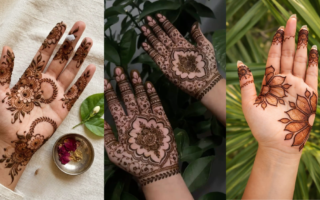
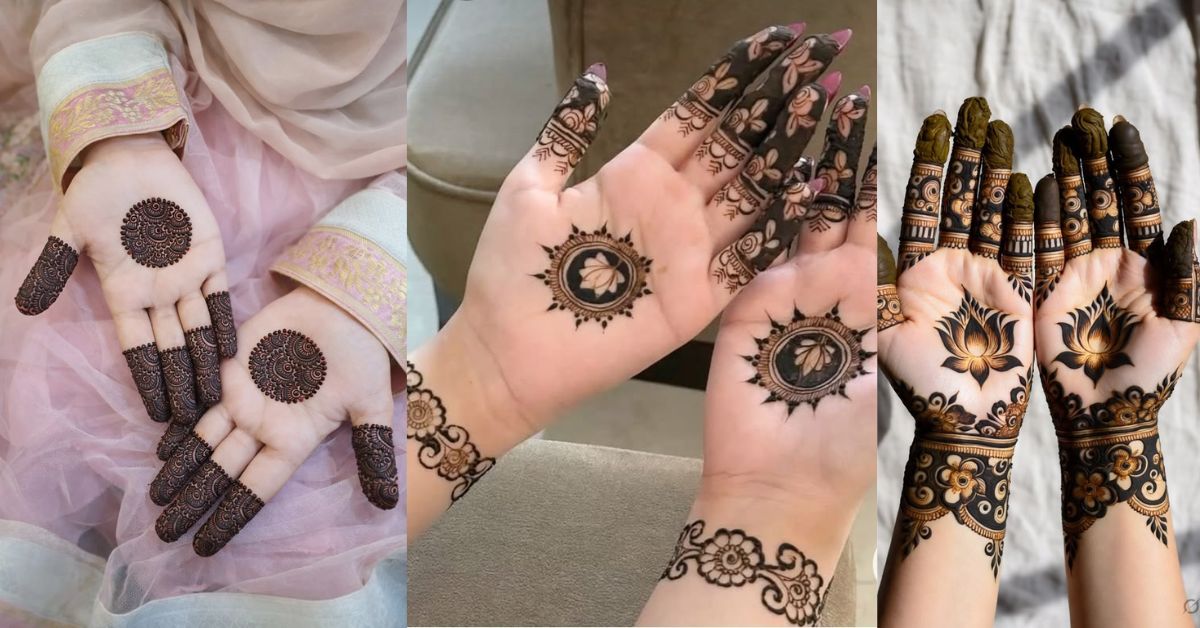
Mehndi has always been more than just body art. In South Asian culture, it represents happiness, beauty, celebration, love, and togetherness. Whether it is applied for a wedding, Eid, a family gathering, or a simple festive occasion, mehndi adds a special charm to the hands. In 2026, two-palm mehndi designs are becoming increasingly popular among women who want their hands to look coordinated, elegant, and beautifully decorated.
Unlike a design applied to only one hand, two-palm mehndi creates a complete artistic look. Both palms can feature matching patterns, complementary motifs, or designs that connect when the hands are placed together. This makes the style especially attractive for photographs, wedding events, and traditional celebrations.
The latest trends focus on balance rather than unnecessary heaviness. Bold floral patterns are being combined with delicate lines, while minimalist henna is being paired with symmetrical details. Some women prefer detailed bridal palms, whereas others choose simple Arabic vines, mandalas, or jewelry-inspired patterns.
Whether you love traditional mehndi or modern designs with plenty of negative space, there are many beautiful ways to decorate both palms. The following ideas explain the most popular styles and how to choose the right design for your occasion.
Why Two Palm Mehndi Designs Are Trending in 2026
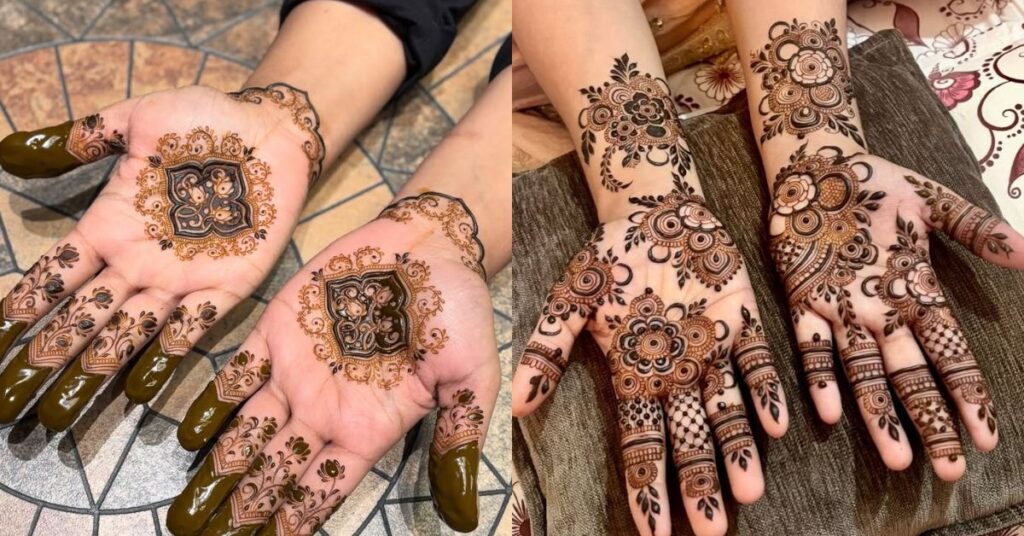
The charm of Two Palm Mehndi Designs lies in their symmetry, coordination, and storytelling. When both hands are placed together, the patterns can create a visually complete composition that looks more artistic than a single-hand design.
In 2026, women are showing more interest in designs that are elegant but not excessively crowded. Instead of covering every part of the palm, artists are leaving carefully planned spaces between flowers, leaves, paisleys, and geometric details. This creates a cleaner appearance while allowing each motif to stand out.
Another reason these designs are trending is their versatility. Two-palm mehndi can be adapted for almost every occasion. A bride may choose intricate patterns with personalized details, while someone attending Eid celebrations may prefer simple floral vines and delicate fingertips.
Modern Two Palm Mehndi Designs are also popular because they look beautiful in photographs. Coordinated palms create a balanced appearance when hands are held together, placed near the face, or shown with traditional outfits and jewelry.
In 2026, designers are focusing on:
- Negative space for a clean and modern appearance
- A combination of bold outlines and fine lines
- Jewelry-inspired detailing
- Personalized motifs for brides
- Minimalist henna with elegant spacing
- Matching or complementary patterns on both palms
- Floral and leafy arrangements with a contemporary layout
The result is a sophisticated mehndi style that feels traditional, fashionable, and easy to personalize.
Arabic Two Palm Mehndi Designs
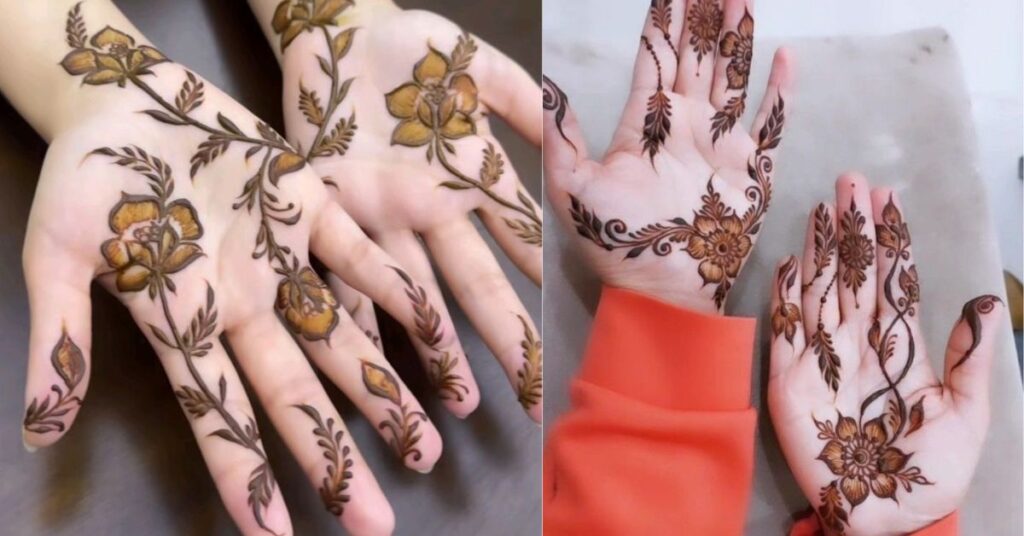
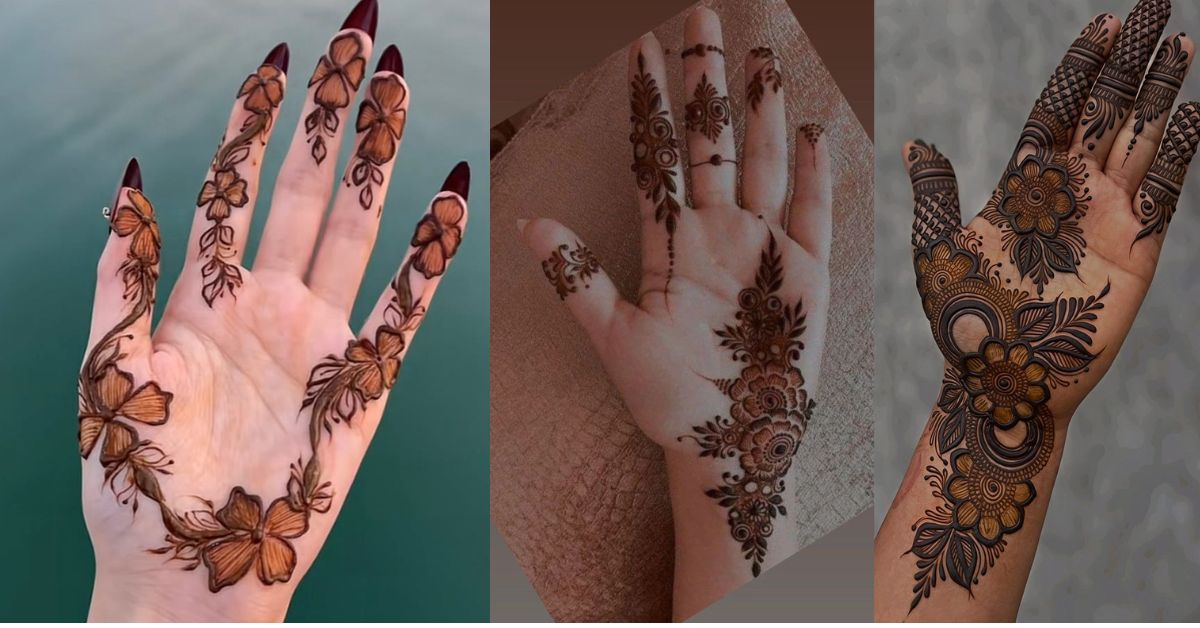
Arabic mehndi continues to be one of the most loved styles because of its flowing patterns and graceful appearance. Arabic designs usually include large flowers, leafy vines, paisleys, and diagonal arrangements that move naturally across the hand.
When Arabic patterns are applied to both palms, the designs do not always need to be exact mirrors. One palm may feature a large floral arrangement while the other uses a complementary vine. This creates a relaxed but coordinated look.
Arabic Two Palm Mehndi Designs are suitable for Eid, family celebrations, engagement events, and casual festive gatherings. They are also a good choice for women who want attractive palms without the heaviness of traditional full bridal mehndi.
The open spaces between the motifs make Arabic designs look neat. Artists can also add small dots, curved lines, and delicate fillers to give the design more detail without making it too dense.
What Makes Arabic Styles Special?
Arabic mehndi is known for its bold outlines, flowing movement, and soft filling. Instead of covering the entire palm with dense patterns, it often uses a few prominent motifs connected by graceful vines.
Some of the main features of Arabic styles include:
- Bold floral outlines
- Leafy trails across the palm
- Paisley and teardrop motifs
- Diagonal compositions
- Visible skin spaces for contrast
- Simple fingertip detailing
- Small dots and delicate fillers
- A relatively quick application process
Arabic patterns for both hands often look best when they are complementary rather than completely identical. For example, one palm can have a large flower near the center, while the other can feature a leafy paisley in a similar position.
For 2026, many artists are adding tiny pearl-like dots, geometric accents, and fine-line details to modernize traditional Arabic styles. These additions make the design feel fresh while preserving its classic beauty.
Bridal Palm Mehndi for Modern Brides
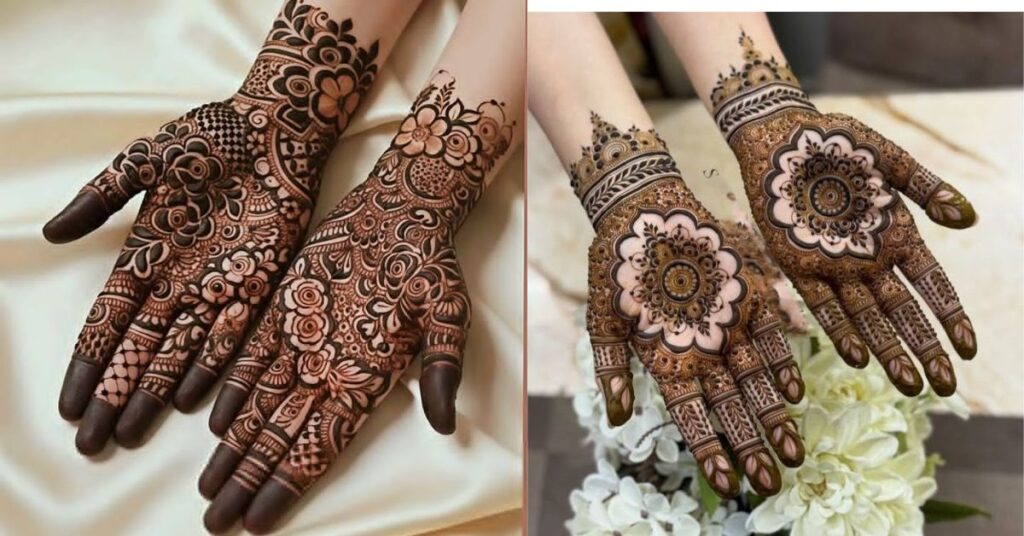
Bridal mehndi has evolved significantly over the years. Modern brides still love traditional details, but many now prefer designs that are carefully balanced instead of unnecessarily crowded. Bridal Palm Mehndi can include intricate patterns, meaningful symbols, floral arrangements, and coordinated artwork across both hands.
Two palms provide a larger canvas for storytelling. A bride may choose matching mandalas, connected paisleys, wedding-related motifs, or personalized elements that reflect her relationship and special day.
The design can be extended from the palm toward the fingers and wrist, creating a complete bridal look. Some brides prefer full coverage, while others choose a combination of detailed sections and open negative space.
Popular Bridal Elements in 2026
Personalized symbols make bridal mehndi more meaningful. Brides may include names, initials, wedding dates, tiny portraits, or symbols that represent their relationship.
Some designs also feature hearts, floral initials, meaningful numbers, or small cultural motifs. These details can be placed inside a mandala, along a paisley, or within a decorative palm section.
The best personalized elements are subtle enough to blend into the overall design while still adding emotional value.
Fine Detailing
Fine detailing gives bridal palm mehndi a delicate and luxurious appearance. Thin mesh patterns, tiny dots, lotus motifs, leafy fillers, and layered mandalas can add depth without making the design look too heavy.
Many modern brides combine traditional paisleys with geometric layouts. This contrast creates a fresh look while keeping the design connected to classic mehndi artistry.
A well-planned bridal design should have a clear flow. The central palm motif, fingers, and wrist details should work together rather than appearing like separate patterns.
Minimalist Henna Designs for Both Palms
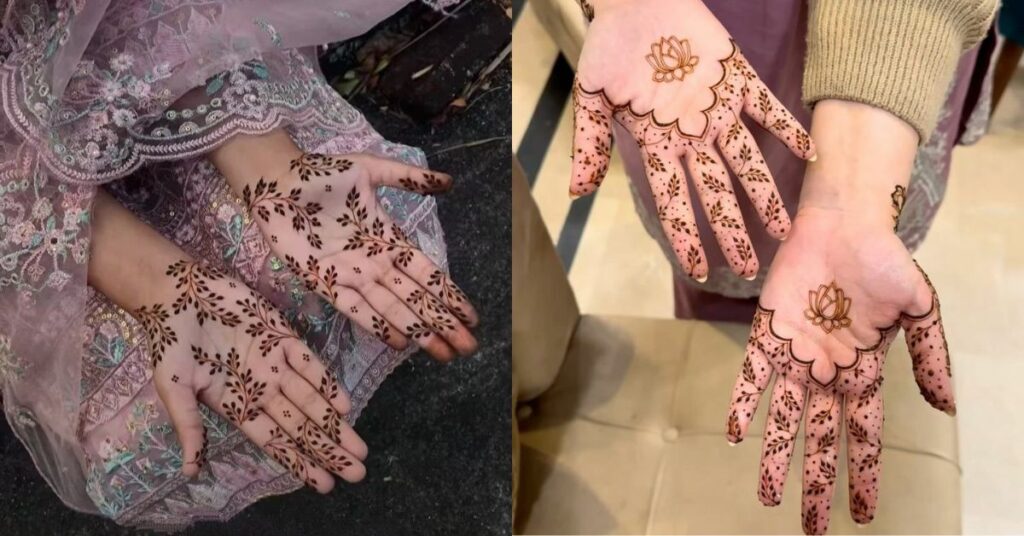
Not everyone wants heavily filled hands. Minimalist henna has become one of the strongest beauty trends of 2026, especially among younger women and those who prefer a simple, modern appearance.
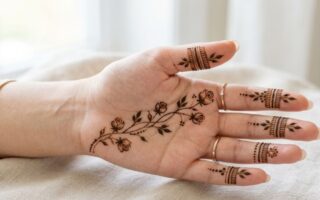
Minimalist Two Palm Mehndi Designs use fewer motifs but focus strongly on neatness and placement. A small mandala in each palm, a delicate leafy trail, or a simple bracelet-inspired pattern can create a stylish look without covering the entire hand.
This style is perfect for university events, family dinners, Eid gatherings, and casual celebrations. It is also a practical choice for beginners because the patterns usually require less time and fewer intricate details.
Features of Minimalist Henna
Common features of minimalist henna designs include:
- Tiny mandalas in the center of each palm
- Simple fingertip detailing
- Bracelet-inspired wrist patterns
- Fine leafy trails
- Small flowers and dots
- Thin geometric lines
- Clean negative spaces
- Minimal paisley motifs
The beauty of minimalist designs lies in precision. When the overall composition is clean, even a small flower or a single curved line can become an eye-catching detail.
For both palms, you can choose identical small designs or use complementary patterns. For example, one palm may have a tiny floral motif while the other features a matching leafy arrangement.
Minimalist henna is also easy to coordinate with different outfits. It looks graceful with traditional clothing, western dresses, and simple everyday accessories.
Mandala Two Palm Mehndi Designs
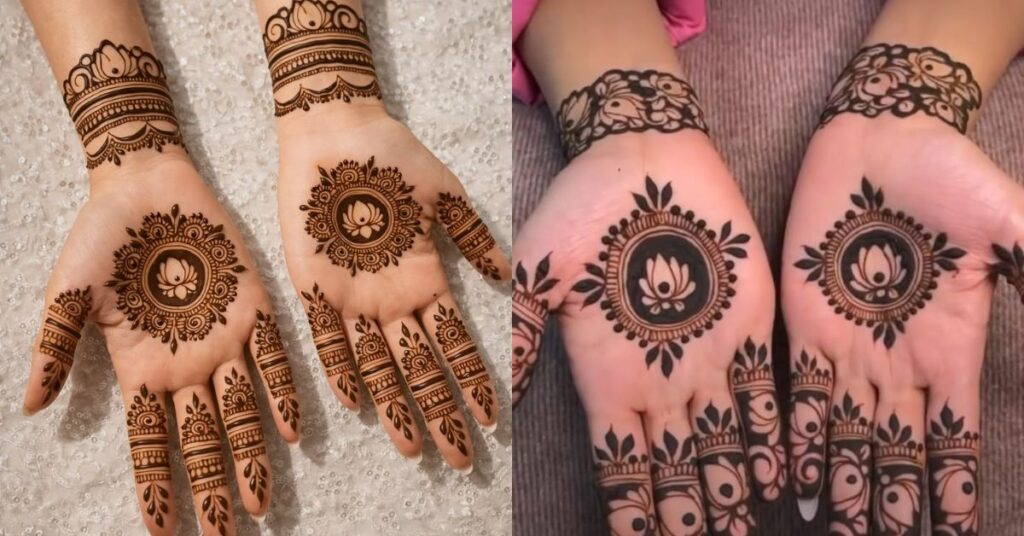
Mandala art never goes out of fashion. Circular patterns symbolize harmony, balance, and completeness, making them ideal for two-palm compositions.
In Mandala Two Palm Mehndi Designs, each palm may feature a central circular motif surrounded by petals, dots, leaves, or geometric details. When both hands are placed together, the matching mandalas create a balanced and attractive appearance.
Mandalas can be simple or highly detailed. A beginner-friendly version may include a few concentric circles and petals, while a bridal version can include multiple layers of fine lines and intricate fillers.
In 2026, mandalas are being paired with:
- Finger chains
- Jewelry-style extensions
- Shaded petals
- Contemporary line work
- Tiny floral fillers
- Geometric borders
- Leafy wrist trails
Matching mandalas are especially suitable for engagement ceremonies, weddings, and formal events. They can also be adapted into a simple style by leaving the outer palm uncovered.
The most important part of a mandala design is its placement. A centered motif usually looks more balanced, while a slightly shifted mandala can create a modern artistic effect.
Jewelry-Style Mehndi Patterns
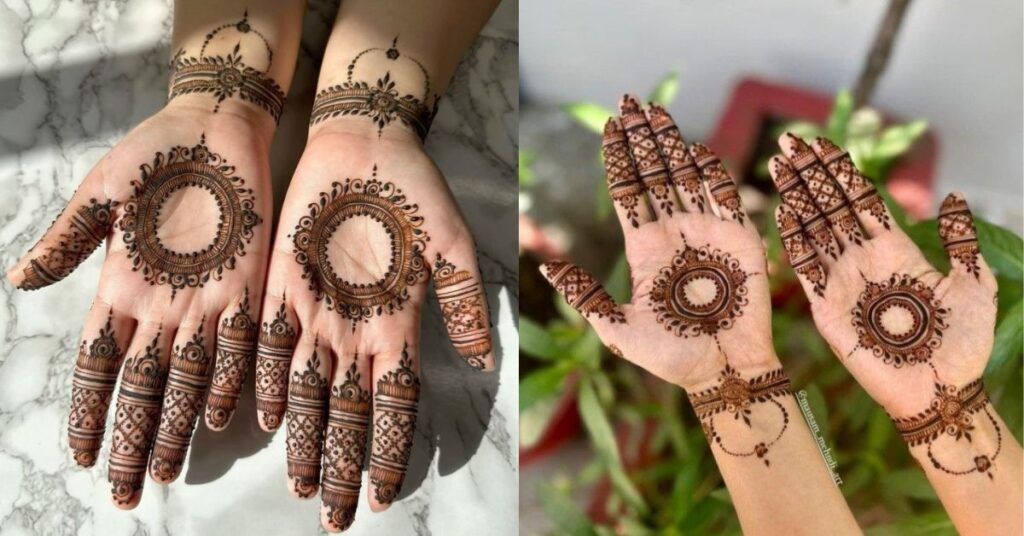
Jewelry mehndi creates the illusion of wearing rings, bracelets, and hand accessories made entirely from henna. This style is ideal for women who love decorative details but want a lighter alternative to heavily filled designs.
When jewelry-style patterns are applied to both palms, they can create a coordinated accessory-inspired appearance. The design may include matching finger chains, ring circles, bracelet cuffs, and delicate lace-like details.
These patterns work beautifully for festive occasions because they look elegant even when paired with minimal jewelry. They are also suitable for women who prefer a modern and fashionable mehndi style.
Trending Jewelry Mehndi Elements
Popular jewelry-inspired elements include:
- Chain-like finger patterns
- Bracelet cuffs
- Ring-inspired circles
- Delicate lace effects
- Small hanging beads
- Finger bands
- Fine connecting lines
- Floral bracelet motifs
The design can be kept simple by using only one or two jewelry elements on each palm. For a more detailed look, artists can connect the finger patterns to a central floral or mandala motif.
Symmetrical jewelry mehndi is especially attractive when both palms are decorated with matching patterns. However, complementary designs can also look beautiful and create a more natural appearance.
The best part is that jewelry mehndi pairs perfectly with both eastern and western outfits. It can be worn for weddings, Eid, parties, and other occasions where you want your hands to look stylish without excessive coverage.
Trend Forecast 2026: What’s New This Year?
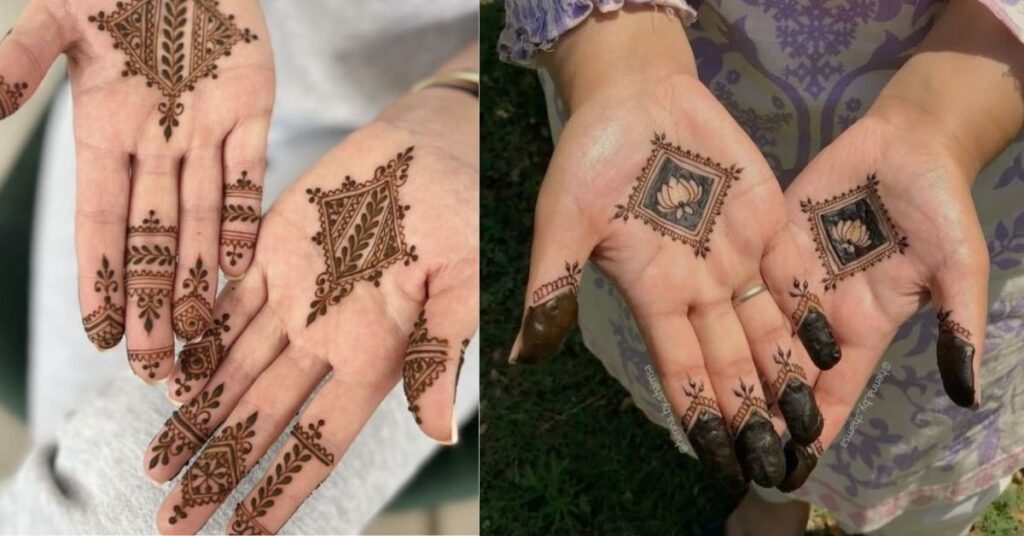
Mehndi trends are changing rapidly, and 2026 is introducing a softer, more artistic direction for Two Palm Mehndi Designs. Women are increasingly choosing designs that combine traditional motifs with modern spacing, delicate details, and personalized touches.
Instead of following one fixed style, many artists are mixing Arabic, Indian, Moroccan, and contemporary influences. This creates unique designs that can be adjusted according to the wearer’s personality and occasion.
Key Mehndi Trends to Watch
Negative Space Art
Negative space art intentionally leaves portions of the skin uncovered. This makes the design appear cleaner and allows the main motifs to stand out.
In two-palm designs, negative space can also improve symmetry. It prevents the hands from looking overcrowded and gives the overall pattern a more modern appearance.
Bold + Fine Line Fusion
The combination of bold floral outlines with ultra-thin detailing creates depth and visual contrast. Large flowers can be paired with tiny leaves, dots, and delicate geometric lines.
This trend is especially useful for women who want a design that looks detailed but still feels balanced.
Half-and-Half Coordination
Instead of identical palms, some women are choosing split designs where each hand completes the overall artwork. A flower may begin on one palm and continue visually toward the other, or two complementary patterns may create a connected composition.
This style is creative, modern, and particularly attractive for photographs.
Contemporary Floral Layouts
Oversized flowers mixed with tiny fillers are replacing overly dense traditional patterns in many modern designs. Large floral motifs create a strong focal point, while smaller details add softness.
These layouts can be used for Arabic, bridal, and minimalist two-palm mehndi.
Fusion Mehndi
Fusion mehndi combines elements from different artistic traditions. Arabic vines, Indian paisleys, Moroccan geometry, and modern negative space can all be used together.
The result is a unique style that feels both culturally inspired and contemporary. Fusion designs are ideal for women who want something different from traditional matching patterns.
These evolving trends make modern henna feel more personalized than ever before.
Tips to Make Your Mehndi Stain Darker
A beautiful designA beautiful design deserves a rich and even stain. Proper aftercare can make a noticeable difference in the final color of your mehndi. Palm skin often develops a darker stain than other areas, but the result still depends on the quality of the henna, application time, and aftercare.
Before applying mehndi, make sure your hands are clean and free from heavy lotion or oily products. This helps the paste stay in place and allows the design to develop properly.
Easy Tips for a Deep Mehndi Color
- Leave the mehndi paste on for at least 6–8 hours, or follow the instructions provided with your henna.
- Allow the paste to dry naturally before touching or rubbing the design.
- Apply a lemon and sugar mixture carefully if it is suitable for your henna paste.
- Avoid washing your hands immediately after removing the dried paste.
- Gently scrape off the paste instead of rubbing it aggressively.
- Keep your hands warm after removing the paste.
- Avoid excessive contact with water during the first few hours.
- Apply a natural oil, such as coconut or mustard oil, if it suits your skin.
- Give the stain time to develop because it may become darker over the next 24–48 hours.
Heat can help deepen the stain naturally, so keeping your hands warm after application often improves the result. However, avoid excessive heat or anything that irritates your skin.
Remember that the final color can vary depending on skin type, henna quality, application time, and aftercare. A good design does not need to be extremely dark to look beautiful.
How to Choose the Right Two-Palm Mehndi Design
Choosing the perfect style depends on the occasion, your outfit, the amount of time available, and your personal preference. Since both palms are decorated, it is important to select a design that feels balanced and comfortable.
Before choosing a design, consider whether you want matching patterns or complementary artwork. Matching designs create a symmetrical appearance, while complementary designs offer a more creative and relaxed look.
For Weddings
For weddings, detailed bridal palm mehndi with symmetrical patterns, layered motifs, and personalized elements is a beautiful choice.
You can select mandalas, paisleys, floral arrangements, portraits, or meaningful symbols. If you prefer a lighter bridal look, combine intricate central motifs with negative space and delicate finger details.
For Eid
Arabic floral designs, mandalas, and simple leafy patterns work beautifully for Eid celebrations. They are festive, elegant, and can be completed in less time than heavily detailed bridal designs.
You can also choose jewelry-style mehndi to complement traditional Eid outfits and accessories.
For Casual Events
Minimalist henna and jewelry-style patterns feel lightweight yet stylish. Small floral motifs, simple vines, and delicate bracelet patterns are suitable for family dinners, university events, and everyday festive occasions.
These designs are easy to personalize and do not require full palm coverage.
For Trendy Looks
Fusion mehndi with geometric accents, bold floral outlines, and negative space offers a fashionable, modern vibe.
If you enjoy experimenting with new styles, try complementary designs on both palms instead of exact matching patterns. This can make the overall look more artistic and unique.
The key is balance. Your design should complement your outfit and personality rather than overpower them. Choose patterns that you genuinely like and that suit the occasion.
FAQs
How do I coordinate designs on both palms?
You can choose matching symmetrical patterns or complementary designs that visually connect when both hands are placed together. Matching mandalas, similar floral motifs, and balanced spacing are easy ways to create coordination.
If you prefer a more creative look, use different designs with similar elements, such as the same flowers, leaves, or geometric borders.
How long does intricate palm mehndi take?
Detailed bridal designs may take approximately 3–6 hours, depending on the complexity and coverage. Minimalist styles can often be completed within 30–60 minutes.
The exact time depends on the artist’s experience, the size of the design, and whether both palms include detailed fingers and wrists.
Which mehndi style is best for beginners?
Minimalist henna and simple Arabic patterns are easiest for beginners because they use fewer intricate details. Small flowers, leafy vines, dots, and simple mandalas are good starting points.
Beginners should focus on neat lines and balanced spacing rather than trying to create very complicated designs immediately.
How long does palm mehndi usually last?
With proper care, mehndi on the palms can remain visible for approximately 1–2 weeks, depending on skin type, washing habits, henna quality, and aftercare.
The stain usually fades gradually as the outer layer of skin naturally sheds. Frequent washing, exfoliation, and household work may cause it to fade faster.
Are minimalist designs suitable for weddings?
Yes. Many modern brides now prefer elegant, minimalist details combined with selective intricate elements.
A simple design can look bridal when it includes carefully placed mandalas, floral motifs, personalized symbols, or delicate finger and wrist patterns. The key is choosing a design that matches the bride’s style and wedding outfit.
Conclusion
Two Palm Mehndi Designs in 2026 beautifully reflect the balance between tradition and modern creativity. Whether you prefer intricate bridal artistry, flowing Arabic patterns, elegant minimalist henna, or jewelry-inspired details, today’s trends offer many possibilities for self-expression.
Decorating both palms allows you to create a coordinated and memorable look. Matching designs provide symmetry, while complementary patterns offer a more artistic appearance. From weddings and engagements to Eid celebrations and casual gatherings, there is a two-palm style for every occasion.
The beauty of mehndi lies not only in the design itself but also in the emotions attached to it—celebration, culture, love, and timeless elegance. With the right pattern, careful application, and proper aftercare, your mehndi can become a beautiful part of every special occasion.
Explore more inspiration from Mehndi Crafted, including Arabic mehndi designs, back hand mehndi designs, Eid mehndi ideas, and modern mehndi trends for 2026.