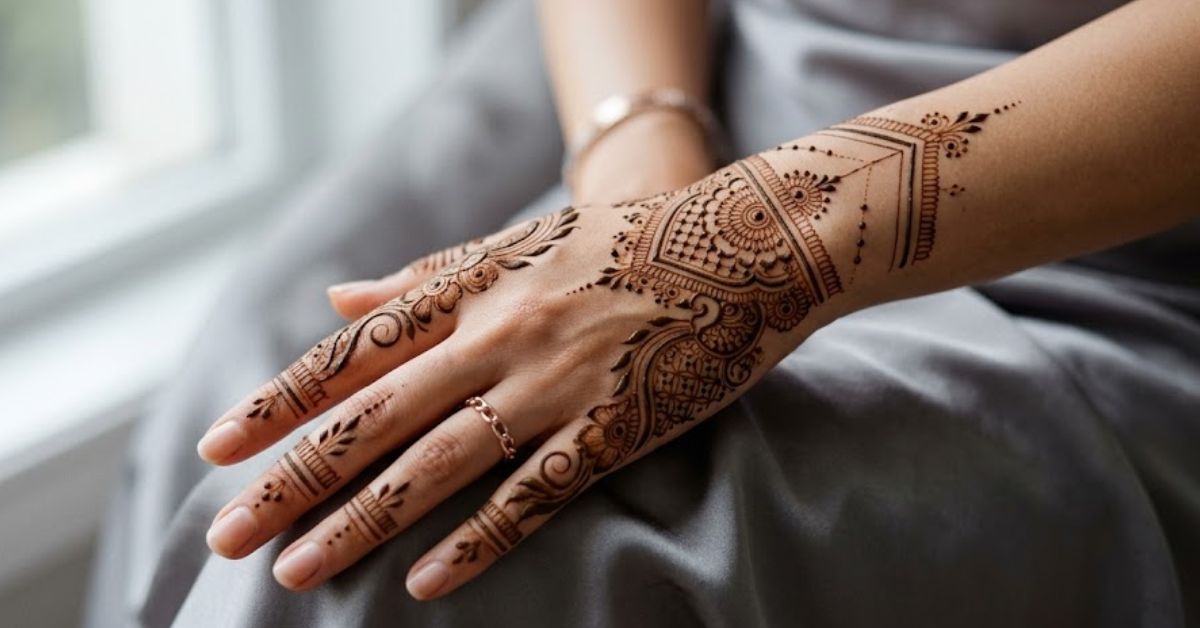
The beauty of mehndi has always been timeless, but in 2026, it has taken a fresh direction that beautifully combines traditional artistry with modern fashion. The latest mehndi design trends for 2026 are no longer limited to heavy bridal patterns or filled hands. Instead, modern designs focus on elegant spacing, clean lines, creative motifs, personalized details, and a balanced overall appearance.
Today, brides, bridesmaids, young girls, and mehndi lovers are choosing designs that feel lighter, more meaningful, and easier to wear. From delicate mandalas and minimal finger patterns to bold Arabic floral vines and detailed bridal artwork, there is a style for every personality and occasion.
Another noticeable trend in 2026 is the use of negative space. Rather than covering every part of the hand, artists are leaving small areas of skin visible between motifs. This makes the design look cleaner and allows individual flowers, leaves, paisleys, and mandalas to stand out beautifully.
Whether you are preparing for a wedding, Eid, engagement, birthday, family celebration, or a casual event, the Latest Mehndi design trends for 2026 offer plenty of beautiful ideas to explore. You can choose a simple design for everyday wear or a detailed style when you want your mehndi to become the main part of your look.
Minimalist & Mandala Trends 2026
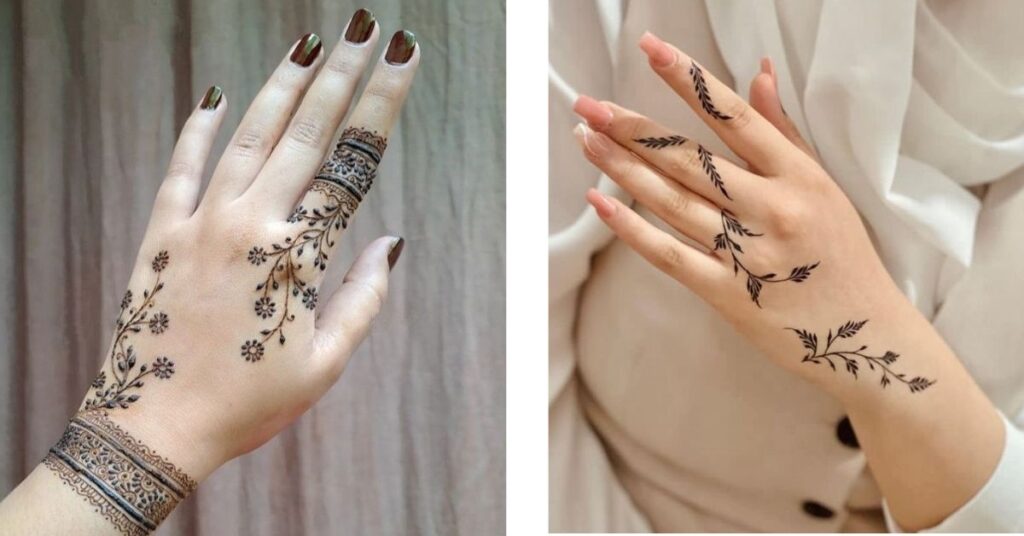
Minimalism is one of the strongest influences in the Latest Mehndi Design 2026 world. Instead of completely covering the hands with dense patterns, modern mehndi artists are focusing on simplicity, proportion, and artistic balance.
Minimal mehndi can look incredibly elegant even when it contains only a few carefully placed elements. Small flowers, thin vines, dots, leaves, geometric shapes, and delicate finger details can create a complete design without making the hand look overcrowded.
This trend is especially useful for women who love fashionable mehndi but do not want to spend several hours applying a heavy design. Minimal patterns are also easier to match with modern clothing, jewelry, and accessories.
What Makes Minimalist Mehndi Special?
Minimal mehndi focuses on:
- Clean and thin outlines
- Geometric symmetry
- Small floral elements
- Open negative spaces
- Light finger detailing
- Simple vines and leaves
- Small decorative dots
- Balanced placement of motifs
The biggest advantage of this style is that it gives the hands a polished appearance without making the design feel too heavy. Young girls, college students, working women, and bridesmaids often prefer this look because it can be both traditional and modern at the same time.
A minimalist design can also be customized according to the occasion. For a casual event, a few leaves and dots may be enough, while an engagement or wedding design can include delicate floral patterns and jewelry-inspired details.
Mandala Art Evolution
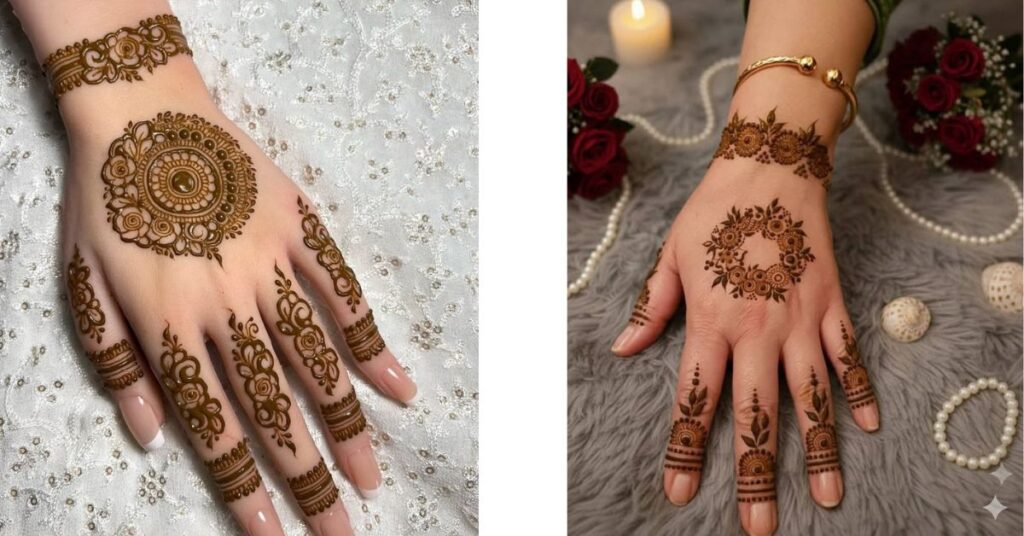
Mandala designs have also evolved significantly. Traditional mandalas were often large, circular, and heavily detailed. In 2026, artists are creating more open and refined mandalas that work beautifully with negative space.
Modern mandala designs are:
- More open in structure
- Combined with fine dotted detailing
- Placed strategically on palms or back hands
- Mixed with floral and leafy elements
- Designed with cleaner circular patterns
- Often surrounded by intentional space
The use of intentional spacing is an important part of this trend. Empty areas are no longer considered incomplete. Instead, they help the main motif become more visible and give the entire design a sophisticated appearance.
A small mandala in the center of the palm can be paired with simple finger lines, while a back-hand mandala can be connected to a delicate wrist bracelet or floral vine.
Modern Arabic Mehndi Styles
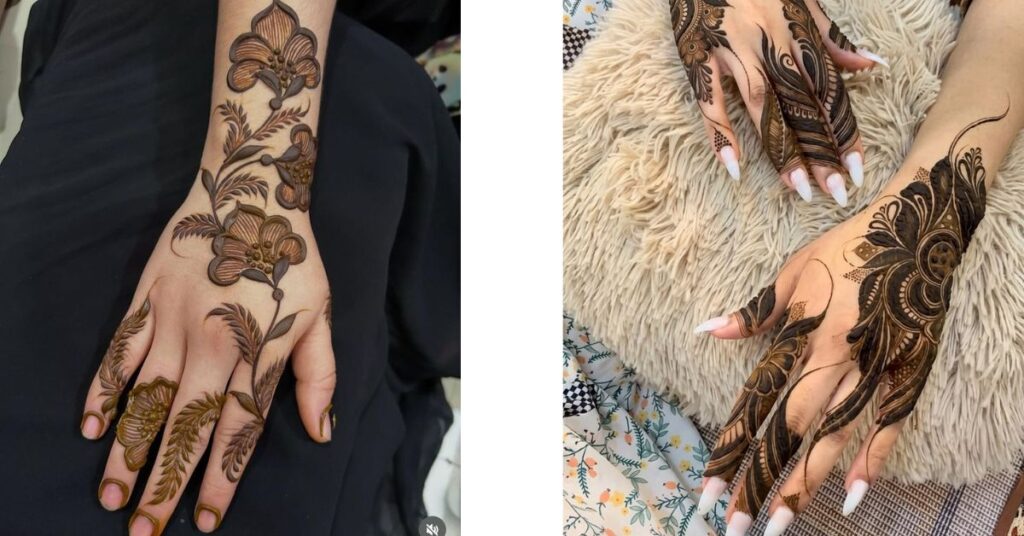
Minimal Arabic mehndi remains one of the most loved henna styles, and in 2026 it has become even more structured, elegant, and fashion-oriented.
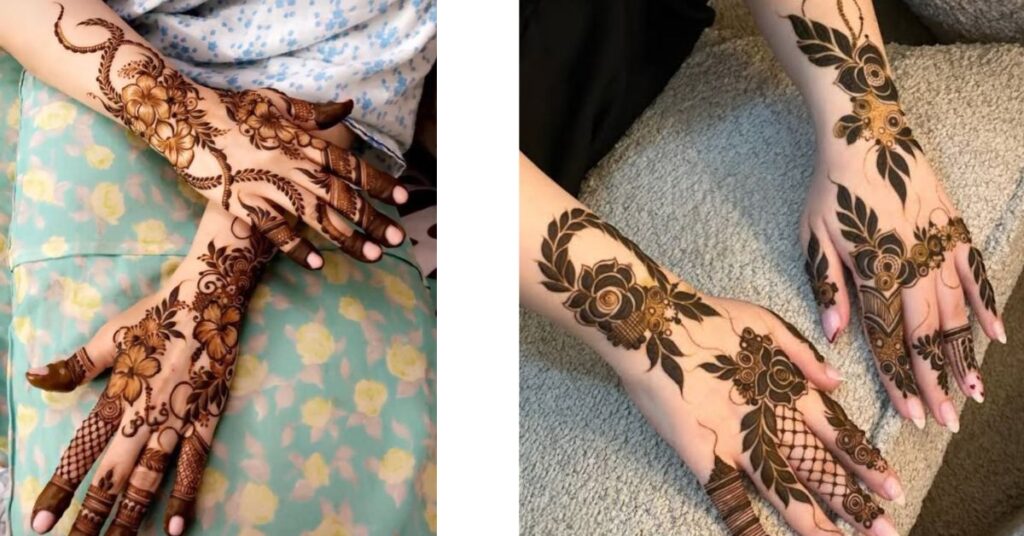
Arabic mehndi is famous for its flowing floral vines and diagonal movement across the hand. Unlike some traditional styles that cover almost every part of the skin, Arabic designs usually leave enough open space to make the main motifs stand out.
Modern Arabic mehndi can be used on the front hand, back hand, fingers, wrists, and even feet. Its flexible structure makes it suitable for both simple everyday designs and more detailed festive patterns.
Key Features of Arabic Mehndi
Modern Arabic mehndi commonly includes:
- Bold floral vines flowing diagonally
- Leaf patterns with sharp detailing
- Stylish wrist-to-finger connections
- Balanced empty spaces for elegance
- Large flowers combined with small leaves
- Curved stems and flowing trails
- Decorative dots around major motifs
Unlike traditional dense designs, Arabic mehndi focuses strongly on flow and direction. The eye naturally follows the vine from one part of the hand to another, creating a graceful visual movement.
This makes Arabic mehndi particularly attractive on the back of the hand, where a diagonal floral trail can create a long and elegant appearance.
Fusion of Modern Art
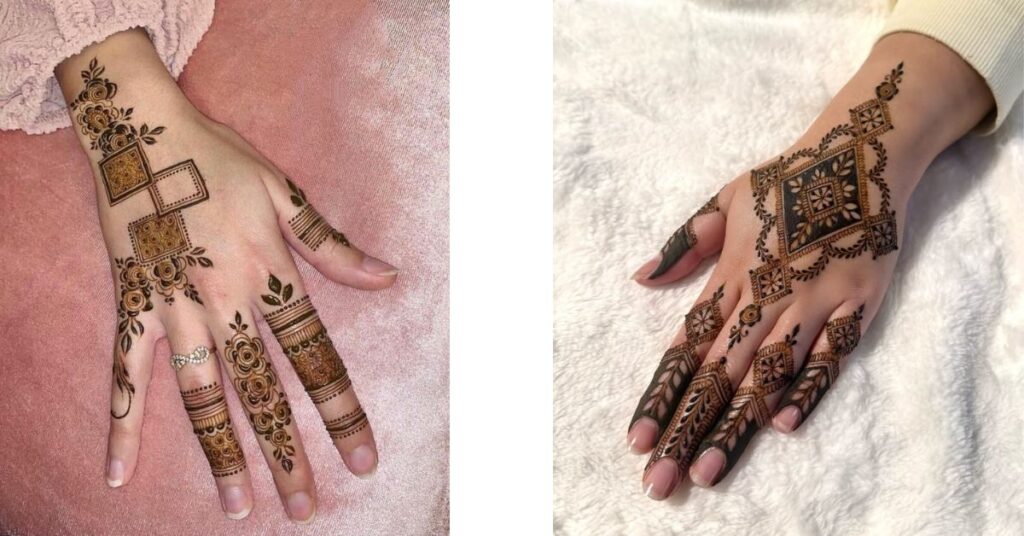
In 2026, designers are also mixing Arabic mehndi with contemporary artistic elements. This creates a fresh version of the traditional style while maintaining its recognizable floral character.
Designers are now mixing Arabic styles with:
- Geometric shapes
- Jewelry-inspired patterns
- Minimal shading effects
- Fine-line details
- Ring-style finger patterns
- Bracelet-inspired wrist designs
This fusion creates a modern interpretation of the Latest Mehndi design of 2026 that looks fashionable while still respecting traditional henna artistry.
For example, a large Arabic flower can be connected to a thin geometric line, or a traditional vine can finish with a small ring-style pattern around one finger. These combinations are particularly popular for engagement parties, Eid celebrations, and fashion-focused events.
Best Occasions for Arabic Mehndi
Arabic mehndi is versatile enough for many different occasions, including:
- Engagement ceremonies
- Eid celebrations
- Parties and formal gatherings
- Pre-wedding events
- Family celebrations
- Birthday parties
- Bridesmaid functions
- Casual festive occasions
Arabic mehndi is ideal when you want a stylish look without heavy coverage. It can also be adjusted according to the event. A simple vine works beautifully for a casual gathering, while a more detailed Arabic composition can be used for weddings and formal celebrations.
Bridal Mehndi Masterpieces 2026
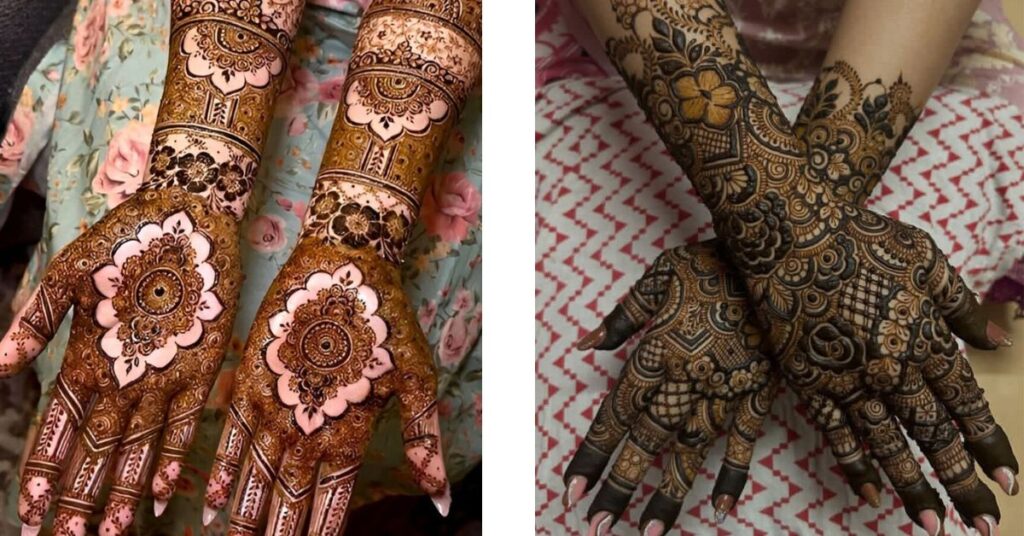
Bridal mehndi remains one of the most important parts of wedding beauty traditions. In 2026, bridal mehndi has become more personalized, detailed, and emotionally meaningful.
Modern brides are not only looking for beautiful patterns. They also want their mehndi to represent their personality, relationship, culture, and special memories.
The latest bridal designs combine traditional motifs with contemporary layouts, giving brides more freedom to create something personal and unique.
Storytelling Designs
One of the most beautiful bridal trends is storytelling mehndi. Instead of using only traditional floral and paisley motifs, artists can incorporate small personal elements into the design.
Modern brides may choose:
- Groom’s initials hidden in floral patterns
- Wedding dates integrated into mandalas
- Cultural symbols representing family heritage
- Decorative elements showing a personal journey
- Small illustrations representing meaningful moments
- Personalized symbols hidden within detailed patterns
These details can make bridal mehndi much more special because every part of the design can have a personal meaning.
The hidden elements can also become a fun activity for the bride and groom during the wedding celebrations, especially when family members try to find initials or special symbols within the design.
Full-Hand Luxury Designs
Bridal mehndi still includes heavy coverage, but the modern approach focuses more on balance and clarity.
Popular features include:
- Balanced detailing instead of overcrowding
- Fine-line artistry for clarity
- Layered motifs from wrist to elbow
- Symmetrical designs on both hands
- Detailed floral arrangements
- Paisley and peacock-inspired elements
- Decorative finger patterns
The goal is to create a rich design without allowing all the individual motifs to blend. Proper spacing between elements helps flowers, leaves, paisleys, and other details remain visible.
Trending Bridal Themes
Popular bridal themes in 2026 include:
- Royal Mughal-inspired patterns
- Floral garden themes
- Peacock and lotus motifs
- Jewelry-style henna
- Bracelet and ring effects
- Traditional paisley compositions
- Personalized bridal storytelling
The Latest Mehndi Design 2026 for brides is no longer just decoration. It has become a form of emotional artwork that can combine tradition, fashion, personal memories, and cultural identity.
Back Hand vs Front Hand Mehndi Styles
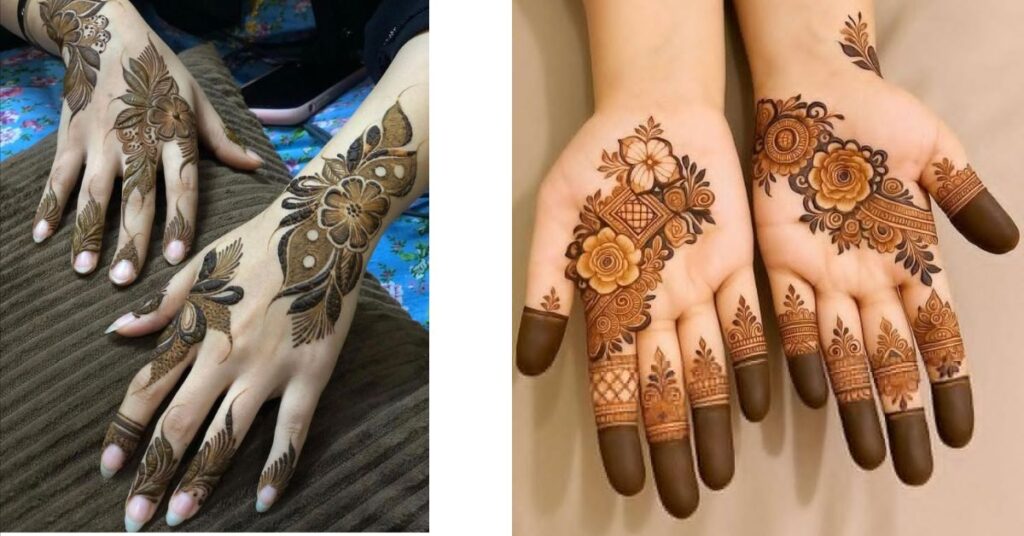
Understanding hand placement is important when choosing a mehndi design. Front-hand and back-hand designs have different visual effects, and each style works better for certain occasions and outfits.
The front hand usually provides a larger central area for detailed artwork, while the back hand is excellent for flowing patterns, jewelry-inspired designs, and modern minimal styles.
Front Hand Designs
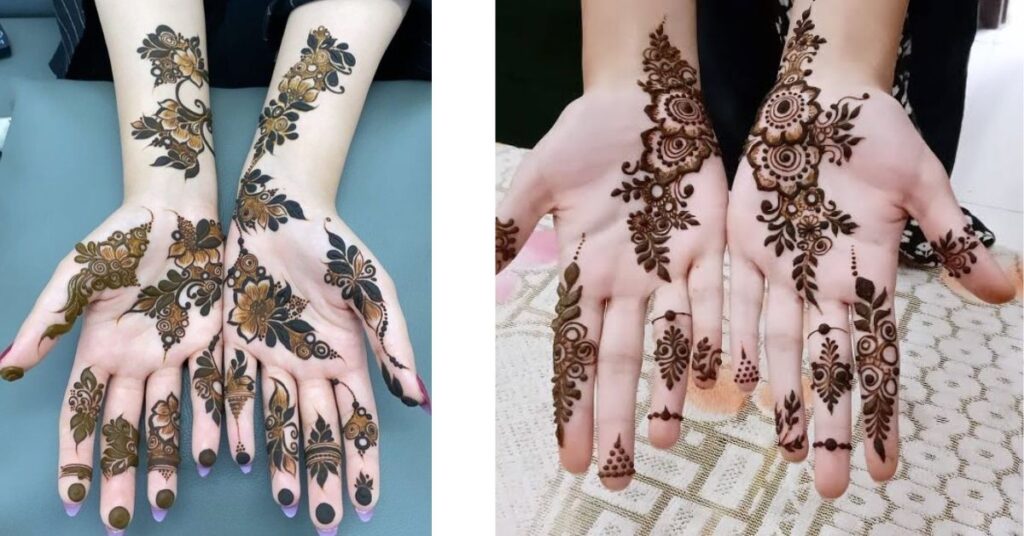
Front-hand mehndi often focuses on the palm and fingers. Traditional and bridal designs may cover a large portion of the palm, while modern styles can use a smaller central motif with plenty of negative space.
Front-hand mehndi commonly includes:
- Palm-centered mandalas
- Finger detailing
- Traditional heavy artwork
- Floral vines
- Paisley patterns
- Symmetrical compositions
It is usually chosen for:
- Bridal looks
- Religious festivals
- Formal celebrations
- Engagement events
- Traditional family functions
A detailed front-hand design can become the main feature of a bridal look, especially when it is coordinated with the patterns used on the back of the hands.
Back Hand Designs
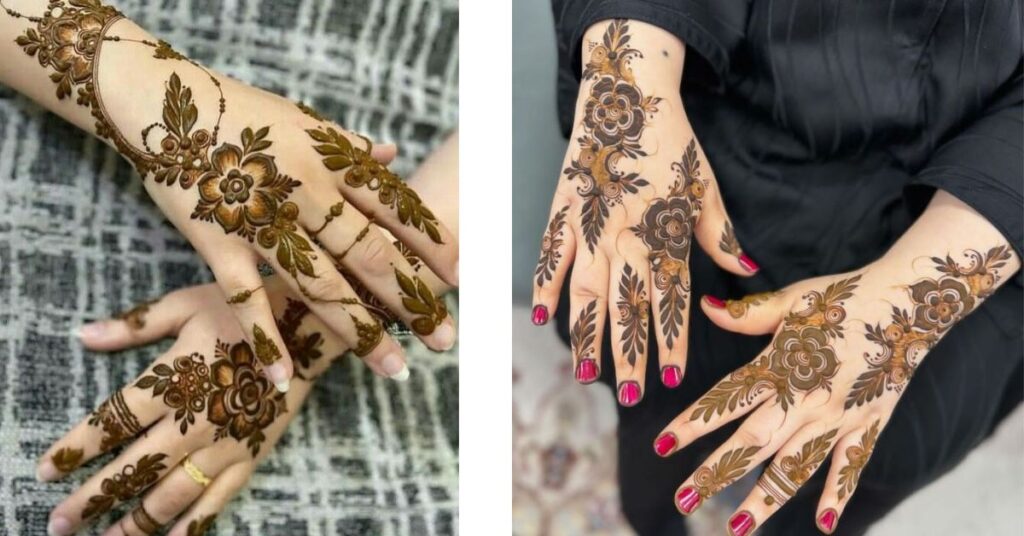
Back-hand styles are especially popular among women who want a modern and fashionable appearance.
They commonly feature:
- Bracelet-style patterns
- Ring finger designs
- Chain-like structures
- Floral vines
- Arabic trails
- Minimal geometric patterns
These designs are perfect for:
- Social media photos
- Casual events
- Contemporary fashion outfits
- Engagement parties
- Small celebrations
Because the back of the hand is highly visible when holding a phone, handbag, or bouquet, these designs often photograph beautifully.
2026 Trend Insight
A growing trend in the Latest Mehndi Design 2026 category is mixing front-hand and back-hand styles for a complete hand transformation.
Instead of making both sides identical, artists may use complementary designs. For example, a detailed floral composition can be used on the front palm while a flowing Arabic vine or jewelry-style pattern decorates the back of the hand.
This creates variety while keeping the overall mehndi look coordinated.
Foot Mehndi & Arm Trends 2026
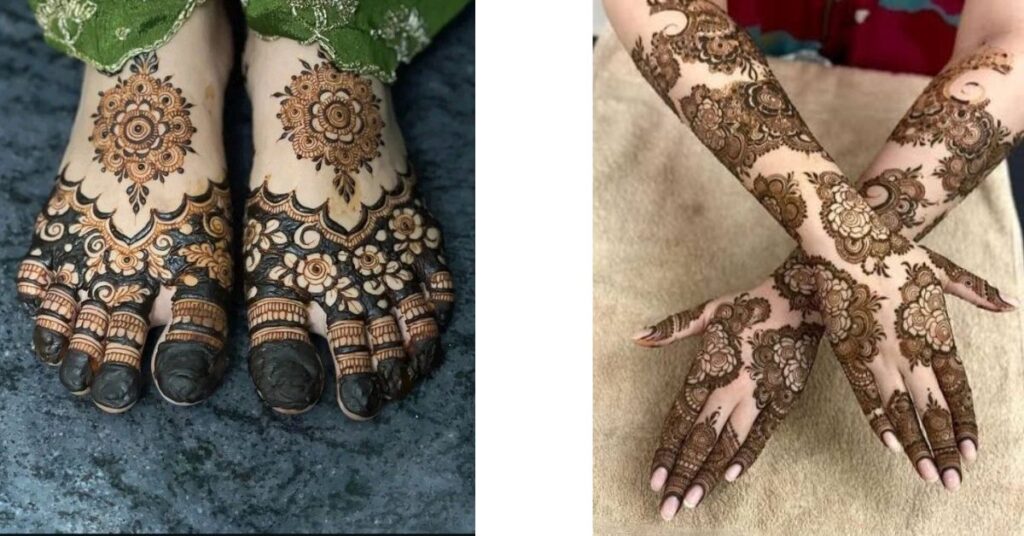
Mehndi is no longer limited to hands. In 2026, foot and arm designs are gaining popularity, especially for brides and women attending traditional celebrations.
Foot mehndi can add an elegant finishing touch to bridal outfits, sandals, traditional dresses, and festive clothing. Arm mehndi can also create a beautiful extension of a hand design.
Foot Mehndi Trends
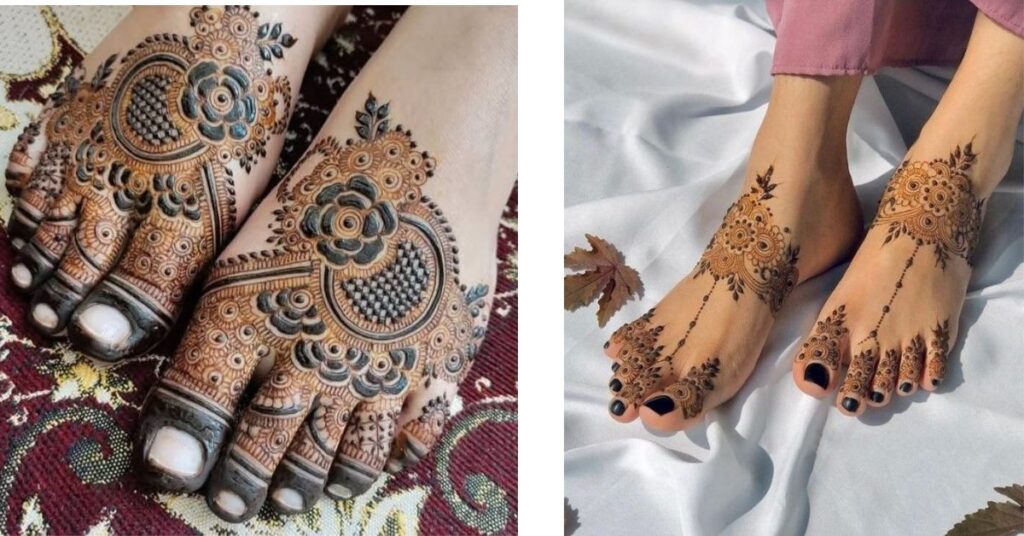
Popular foot mehndi ideas include:
- Anklet-inspired designs
- Floral toe chains
- Minimal dotted trails
- Mandala-inspired foot patterns
- Floral vines around the ankle
- Delicate finger-to-ankle patterns
Anklet-style mehndi is particularly attractive because it creates the appearance of traditional jewelry without actually covering the entire foot.
For a minimal look, a few flowers and leaves can be placed around the ankle. For bridal mehndi, the design can be extended toward the toes and lower legs for a more luxurious appearance.
Arm Mehndi Styles
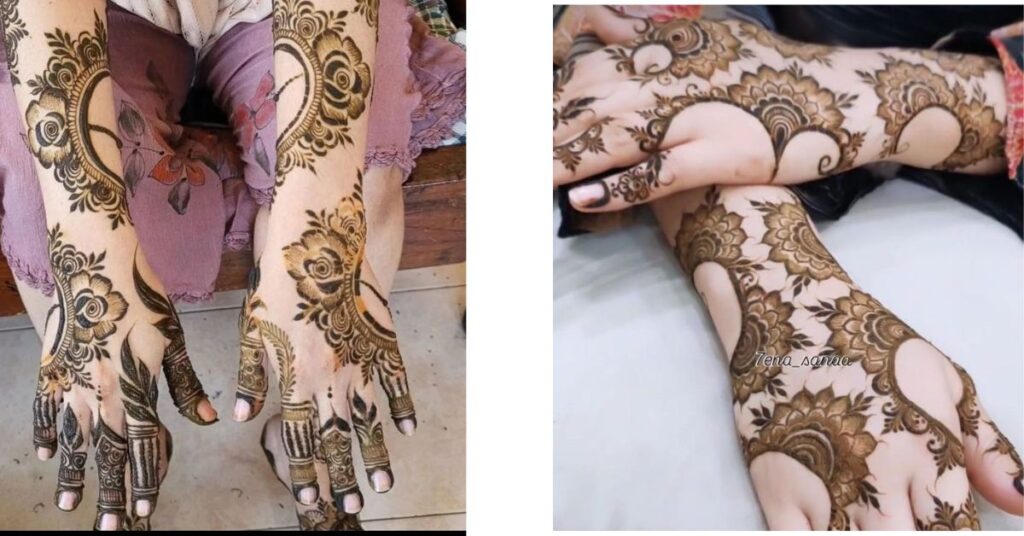
Modern arm mehndi can range from simple vertical patterns to detailed bridal coverage.
Popular options include:
- Half-arm bridal coverage
- Sleeve-style henna
- Vertical flowing designs
- Floral vines
- Bracelet-inspired bands
- Repeated geometric motifs
These styles add a complete aesthetic balance to bridal and festive looks. A vertical vine running along the arm can visually lengthen the design, while a sleeve-style pattern can create a dramatic statement for weddings.
Tips for Getting Dark Mehndi Stain
A dark and even stain is always desired in mehndi art. However, the final color depends on several factors, including the quality of the henna, application technique, drying time, skin type, and aftercare.
Following a careful routine can help you get a richer natural stain.
Before Application
Before applying mehndi:
- Clean your hands properly
- Avoid oily creams and lotions
- Use fresh, natural henna
- Make sure the skin is completely dry
- Avoid applying mehndi immediately after using heavy skincare products
Clean skin gives the henna paste a better surface to adhere to and can help produce a more even stain.
After Application
After applying the design:
- Keep mehndi on the skin for several hours
- Allow the paste to dry naturally
- Avoid rubbing or scratching the design
- Keep your hands warm
- Avoid unnecessary contact with water
Many people keep mehndi on for around 6–8 hours or longer when practical. Leaving it overnight is another common approach for people who want a deeper stain.
A lemon-sugar mixture is sometimes used traditionally to help keep the paste attached to the skin after it dries. It should be applied lightly rather than soaking the design.
After Removal
Once the mehndi has dried completely:
- Gently scrape the dried paste away
- Avoid washing the area immediately
- Keep the skin warm
- Apply a small amount of natural oil if desired
- Allow the stain to develop naturally over the next day or two
The color usually starts orange and gradually becomes deeper as the stain develops.
Pro Tip 2026 Trend
Many mehndi lovers now prefer natural henna because they want a traditional stain without unnecessary artificial ingredients. Choosing a reputable natural henna product and checking its ingredients can be a useful part of a safer mehndi routine.
Sustainable & Organic Henna Trend
One of the noticeable shifts in 2026 is the growing interest in natural and eco-conscious beauty. Mehndi fits naturally into this trend because traditional henna has been used for generations as a plant-based form of body art.
People are increasingly interested in understanding what is inside their henna cones and choosing products from reliable sources.
Why Organic Henna is Popular
Natural henna is popular because it can offer:
- A traditional natural staining process
- Fewer unnecessary additives when properly prepared
- A rich orange-to-brown stain
- A connection to traditional beauty practices
- A more conscious approach to beauty choices
However, it is important to remember that not every product marketed as “natural” is necessarily pure. Reading the ingredient information and buying from a trustworthy seller is always a good idea.
Avoid unknown products that promise an unusually fast or extremely dark stain, especially when the ingredients are not clearly listed.
Even the most beautiful Latest Mehndi Design 2026 can lose its appearance if basic application and aftercare mistakes are made.
Some common mistakes include:
- Washing hands too early
- Using low-quality or questionable henna cones
- Applying mehndi to oily skin
- Scratching or rubbing dried mehndi
- Removing the paste too quickly
- Applying thick and uneven lines
- Overcrowding a minimal design
Avoiding these mistakes can help you maintain a cleaner design and allow the natural stain to develop properly.
If you are a beginner, start with simple patterns instead of trying to create a highly complicated bridal design immediately. With practice, you can gradually improve your line control, spacing, and detailing.
FAQs
1. How long does mehndi last?
Mehndi usually lasts around 7–14 days, although the exact duration depends on skin type, body location, washing habits, the quality of the henna, and daily activities. Designs on hands and feet may fade differently because these areas experience frequent washing and friction.
2. What is the darkest mehndi trick?
There is no single trick that guarantees the darkest stain. A good natural henna paste, clean skin, sufficient drying time, keeping the paste on for several hours, and avoiding water immediately after removal can all support a deeper stain.
The stain usually develops gradually rather than becoming dark immediately after the paste is removed.
3. Which mehndi style is trending in 2026?
Minimalist mandala designs, modern Arabic fusion styles, jewelry-inspired patterns, delicate finger designs, and personalized bridal mehndi are among the popular directions in 2026.
The best style depends on your outfit, occasion, personal taste, and how much coverage you want.
4. Is organic henna better than chemical cones?
Natural henna is generally preferred by people who want traditional plant-based henna art. However, the important thing is to choose a trustworthy product with clearly listed ingredients.
Avoid cones with unknown ingredients or products that promise an unusually rapid black stain, as these may contain substances that can irritate or harm the skin.
5. Can beginners try the latest mehndi design trends?
Yes. Beginners can start with simple vines, dots, leaves, small flowers, finger patterns, and basic mandalas.
Once you become comfortable with drawing straight lines and smooth curves, you can gradually move toward Arabic floral designs and more detailed patterns.
6. How long should mehndi stay on skin?
Many people leave mehndi on the skin for around 6–8 hours or longer when possible. Some prefer to keep it overnight. The longer the paste remains undisturbed, the more opportunity the natural dye has to stain the skin.
However, comfort and skin sensitivity should always be considered.
7. Can mehndi be used on feet and arms?
Yes. Foot and arm mehndi designs are popular choices for weddings, festivals, and traditional celebrations.
Simple ankle patterns, floral trails, bracelet-inspired arm designs, and bridal sleeve-style mehndi can all create an elegant overall appearance.
Conclusion
The world of henna continues to evolve beautifully, and the Latest Mehndi Design 2026 trends reflect creativity, simplicity, tradition, and personal expression. From minimalist mandalas and modern Arabic vines to luxurious bridal masterpieces, there are countless styles to choose from.
This year is all about balance: less clutter, more meaningful details, thoughtful spacing, and designs that complement the person wearing them. Whether you prefer a simple pattern for Eid, an elegant Arabic style for a party, a detailed bridal design for your wedding, or a modern finger design for everyday wear, there is a beautiful option for every occasion.
The most important thing is to choose a design that matches your personality and feels comfortable to wear. Mehndi is not only a form of decoration; it is also a beautiful way to celebrate culture, creativity, special occasions, and personal style.
At Mehndi Crafted, we continue to share inspiring mehndi ideas, trending henna styles, bridal designs, and simple patterns to help you find the perfect look for every celebration.