Mehndi is much more than a beautiful decoration for a bride. It is a traditional part of wedding celebrations that carries cultural meaning, emotional memories, and a special sense of beauty. For many brides, the mehndi ceremony is one of the most enjoyable moments before the wedding because family members and friends come together to celebrate the bride’s new journey.
Bridal Mehndi Designs can completely transform the appearance of a bride’s hands. From highly detailed traditional patterns to modern Arabic-inspired styles, there are countless options available for different personalities and wedding themes. Some brides love dense designs that cover the entire hand, while others prefer graceful patterns with open spaces and delicate details.
Choosing the right bridal mehndi design is also about finding a pattern that matches your dress, jewelry, personality, and overall wedding look. A carefully selected design can make bridal photographs even more beautiful and create memories that remain special for years.
At Mehndi Crafted, we love exploring traditional and modern henna styles to help brides discover ideas that suit their individual taste. Whether you are looking for a royal dulhan look, an elegant Arabic pattern, or a personalized design with meaningful details, the right mehndi can make your wedding appearance feel complete.
Traditional Bridal Mehndi Designs
Traditional bridal mehndi remains one of the most popular choices for brides who want a rich and cultural wedding appearance. These designs usually contain detailed floral patterns, paisleys, leaves, peacocks, traditional figures, and symmetrical arrangements.
Traditional patterns often require more time because the artist fills a large portion of the hands and arms with fine details. However, the final result can look extremely elegant and luxurious, especially when paired with traditional bridal clothing and jewelry.
For brides who appreciate cultural artistry, traditional mehndi is a beautiful way to connect their wedding celebration with generations of henna traditions.
Rajasthani Elegance
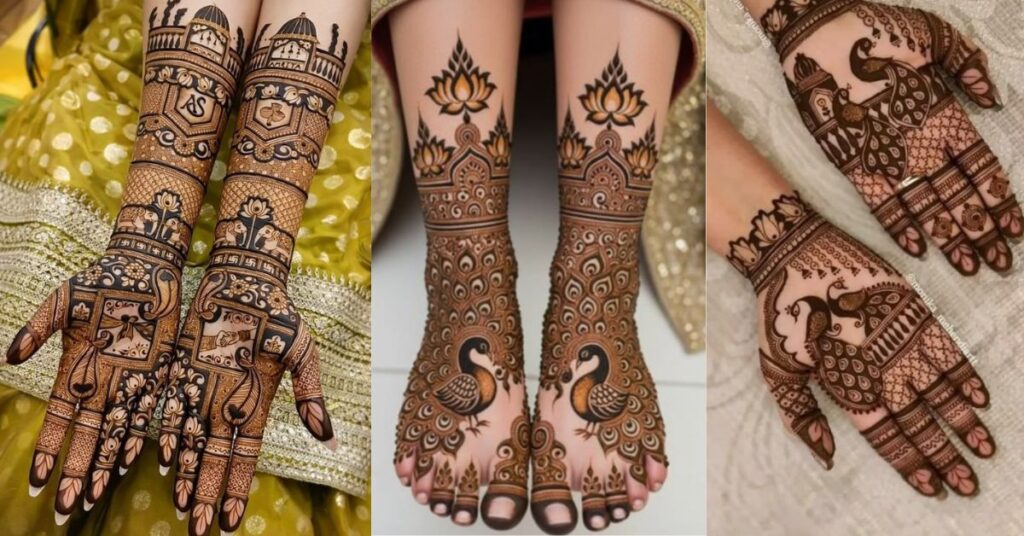
Rajasthani mehndi is famous for its intricate detailing, storytelling elements, and impressive coverage. It is an excellent option for brides who want their hands to have a royal and traditional appearance.
These designs often combine multiple motifs in a single composition. Floral patterns, paisleys, peacocks, elephants, leaves, and small decorative details may be carefully connected to create a balanced design.
Key features:
- Detailed motifs of peacocks, elephants, and paisleys
- Symmetrical patterns on both hands
- Fine lines and dense filling
- Traditional floral and leafy elements
- Storytelling scenes and bridal figures
- Detailed fingertip patterns
One of the most interesting features of Rajasthani bridal mehndi is the possibility of including personalized scenes. Some brides choose bride-and-groom figures, wedding symbols, or small elements representing their relationship.
Because these designs contain so many details, it is important to choose an experienced mehndi artist who can maintain clean lines and consistent patterns. A well-executed Rajasthani design can give the bride a truly regal appearance.
Modern Arabic Mehndi Styles
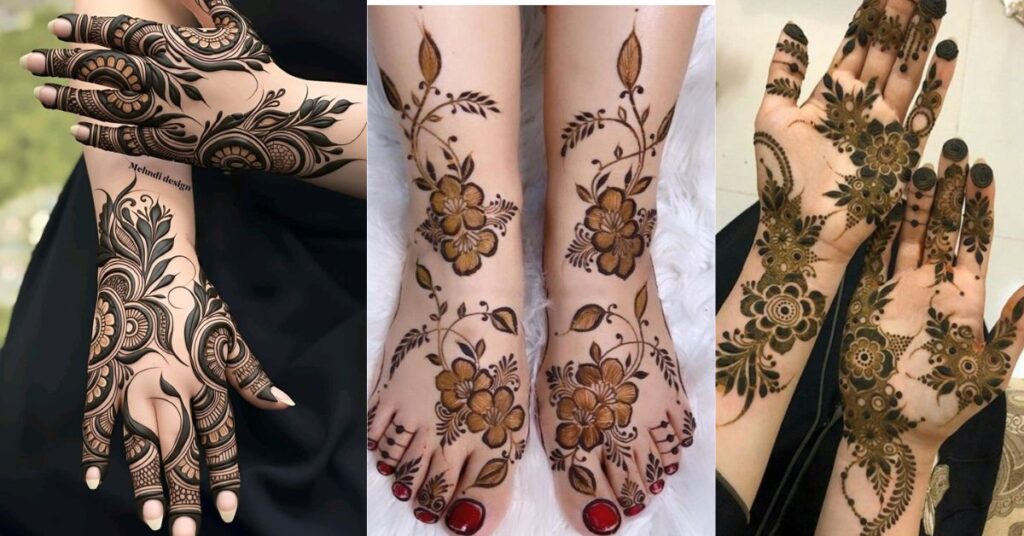
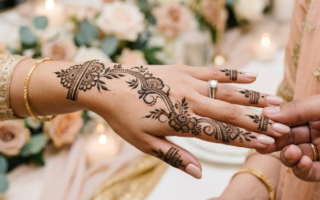
Arabic mehndi styles have become a favorite among brides who want something elegant without covering every part of the hand. Instead of dense filling, these designs usually focus on bold floral motifs, flowing vines, leaves, and carefully placed negative space.
Modern Arabic bridal mehndi can work beautifully with contemporary wedding outfits because it looks stylish while still maintaining the traditional charm of henna.
Why Brides Love Arabic Mehndi
There are several reasons why Arabic-inspired patterns continue to attract modern brides:
- Bold strokes and flowing patterns
- Floral vines and leafy trails
- Elegant spacing for a clean appearance
- Attractive designs that do not always require full coverage
- Easy combination with other mehndi styles
- Modern appearance suitable for different wedding outfits
Arabic designs can also be customized according to the bride’s preference. A bride who likes simplicity can choose a delicate floral vine, while someone who wants a richer appearance can add additional flowers, paisleys, shaded leaves, or fingertip details.
Another advantage is that Arabic mehndi can look beautiful from both close and distant views. The open spaces help individual motifs remain visible instead of becoming hidden inside a very dense pattern.
Minimalist Mandala Mehndi
Minimalist mandala mehndi designs are a wonderful option for brides who appreciate simplicity and balanced patterns. A mandala usually creates a circular focal point on the palm, surrounded by delicate details.
Although minimalist designs use fewer elements, they still require precision. Every line needs to be placed carefully because there are fewer details to hide imperfections.
Simple Yet Sophisticated
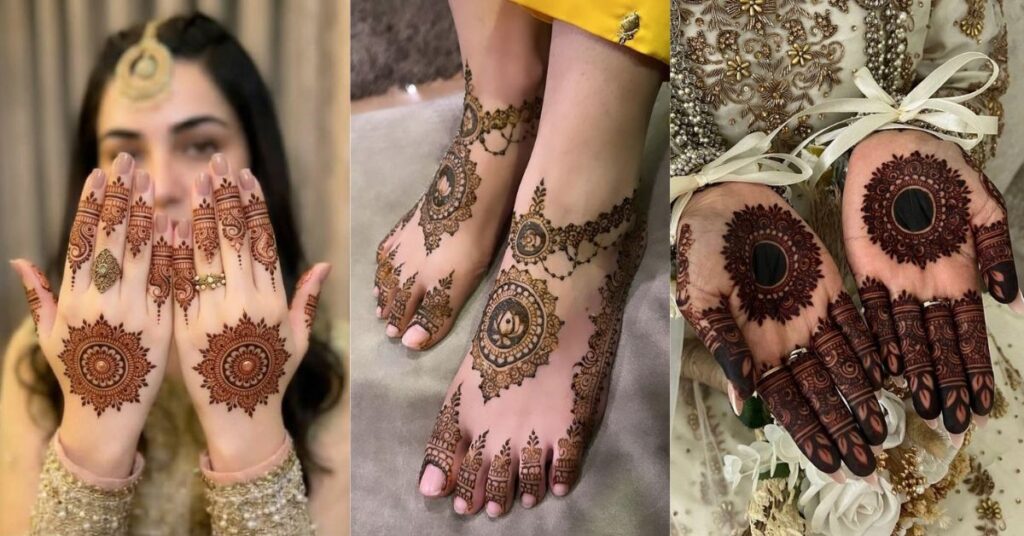
Minimalist mandala patterns are especially suitable for modern brides who want their bridal look to feel graceful rather than extremely heavy.
What makes them special:
- Circular mandala patterns centered on the palm
- Light detailing on the fingers
- Balanced negative space
- Small floral and leaf elements
- Clean and organized composition
- Elegant appearance with minimal filling
A minimalist mandala can also be combined with a bracelet-style wrist design or a few delicate finger patterns. This creates a coordinated appearance without making the entire hand look crowded.
For a daytime wedding, intimate event, engagement ceremony, or modern bridal photoshoot, a simple mandala can provide a sophisticated touch.
Personalized Story-Telling Designs
One of the most memorable trends in Bridal Mehndi Designs is personalization. Instead of choosing only traditional motifs, brides can include small details that represent their relationship, personality, or wedding journey.
Personalized mehndi can turn an ordinary design into something emotionally meaningful. A design may include initials, wedding dates, favorite symbols, or a small scene representing an important moment.
Your Love Story in Henna
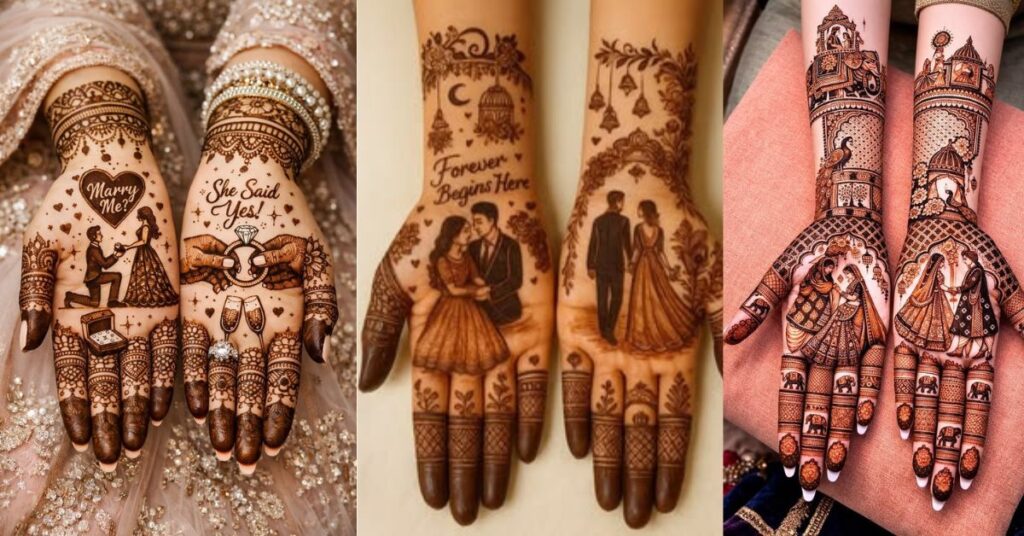
Every couple has a different story, and mehndi provides a creative way to represent some of those memories.
Creative ideas include:
- Proposal scenes or first meeting moments
- Wedding dates hidden inside the design
- Initials or names
- Symbols representing shared hobbies
- Favorite flowers or meaningful motifs
- Bride and groom figures
- Small elements connected to family traditions
These personalized details do not have to dominate the complete design. They can be incorporated subtly between flowers, paisleys, vines, or other traditional motifs.
This style is especially appealing to brides who want their mehndi to feel personal rather than simply following a popular trend.
Full Hand Bridal Designs
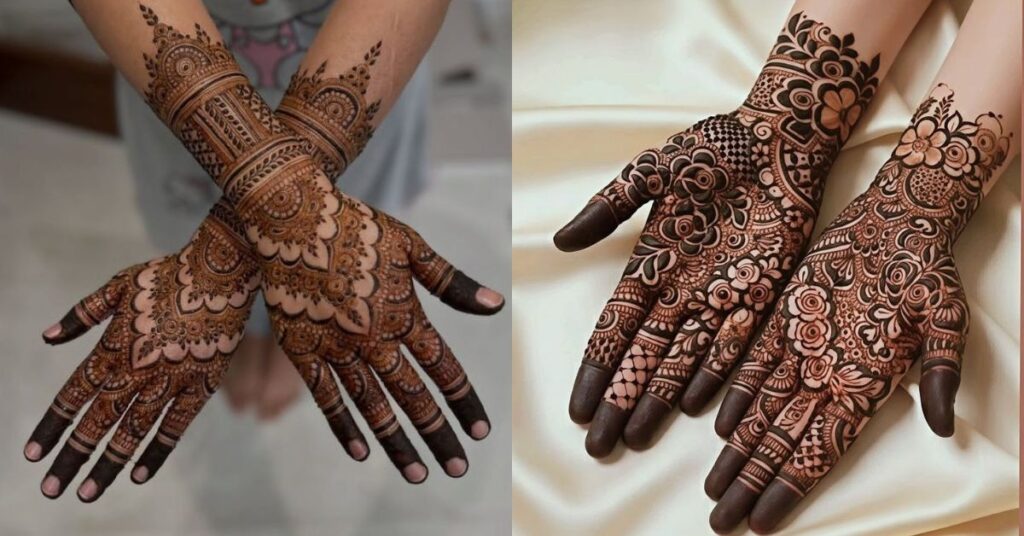
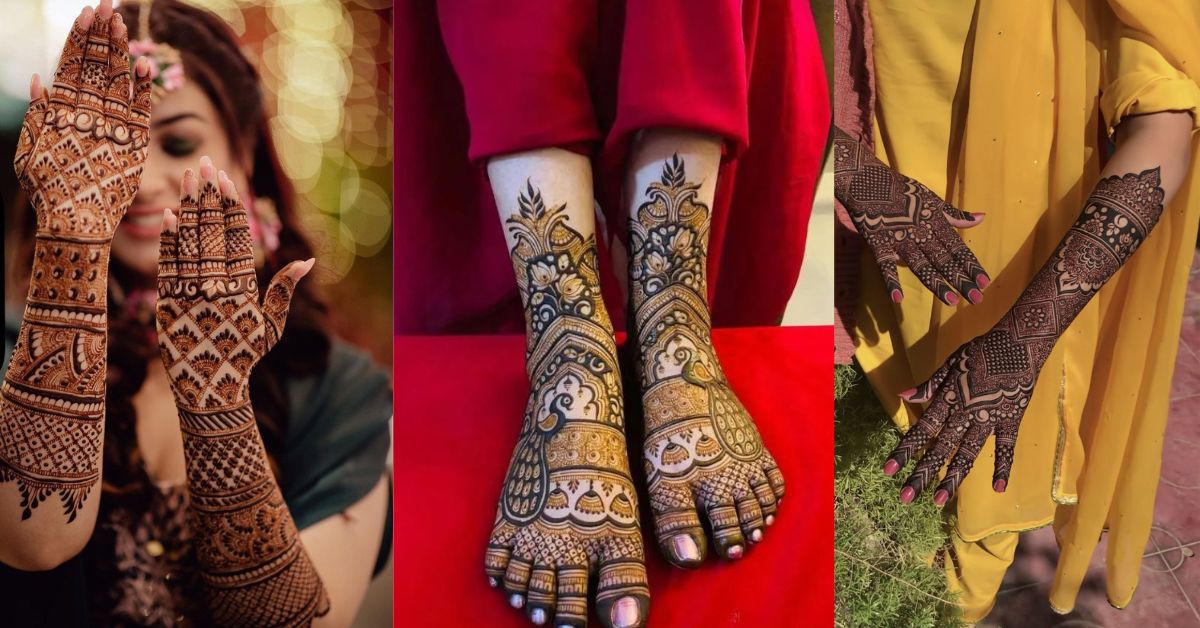
For brides who want a grand and traditional wedding appearance, full-hand bridal mehndi remains one of the most impressive options.
Full-hand designs usually begin at the fingertips and continue across the palm toward the wrist. Some elaborate bridal patterns extend further toward the forearm or elbow.
Why go for full coverage:
- Creates a bold and traditional bridal appearance
- Looks beautiful in wedding photography
- Complements heavily embellished bridal outfits
- Gives the hands a rich and luxurious appearance
- Allows many different motifs to be combined
- Provides enough space for personalized details
Full-hand designs can include flowers, paisleys, mandalas, peacocks, leaves, bridal figures, geometric patterns, and small decorative elements.
The overall appearance depends greatly on the spacing and balance of the motifs. A talented artist can create a detailed design without making it look messy or overcrowded.
How to Get a Dark Mehndi Stain
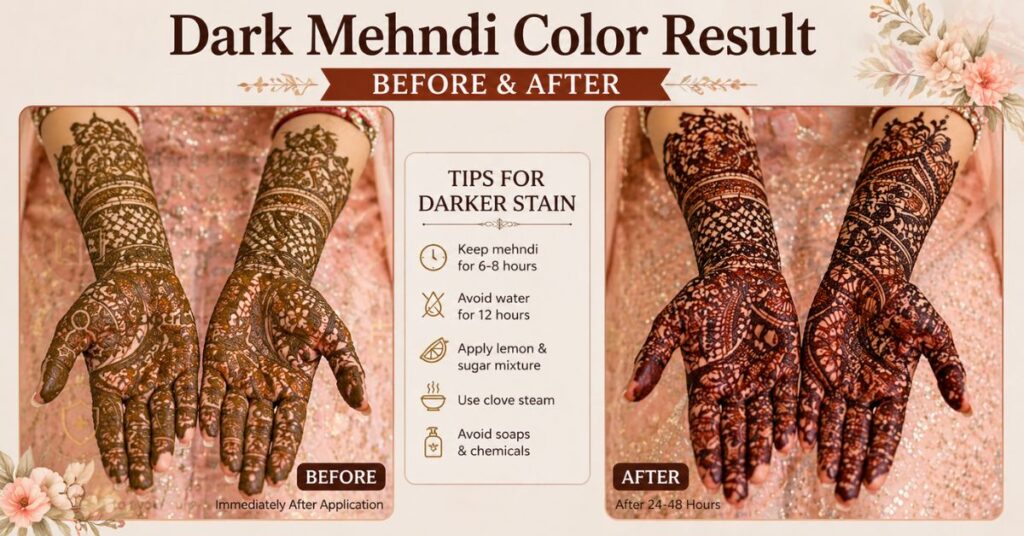
A deep mehndi stain is something many brides hope to achieve before their wedding day. The final color depends on several factors, including the quality of natural henna, skin chemistry, application time, warmth, and aftercare.
Here are some commonly followed aftercare practices:
- Leave it on longer: Allow the dried henna paste to remain on the skin for several hours when possible.
- Avoid immediate water contact: After removing dry henna, try to avoid washing the area immediately.
- Keep your hands warm: Warmth can support the natural development of the henna stain.
- Use traditional aftercare: Many people use a light lemon-and-sugar mixture while the paste is drying.
- Avoid harsh products: Strong soaps, exfoliators, and lotions can cause the stain to fade more quickly.
Natural henna generally develops its color gradually. The stain may initially appear orange and then become deeper over the following hours.
Always make sure the henna product is suitable for skin and avoid unknown chemical mixtures that may irritate.
Tips for Choosing the Right Mehndi Artist
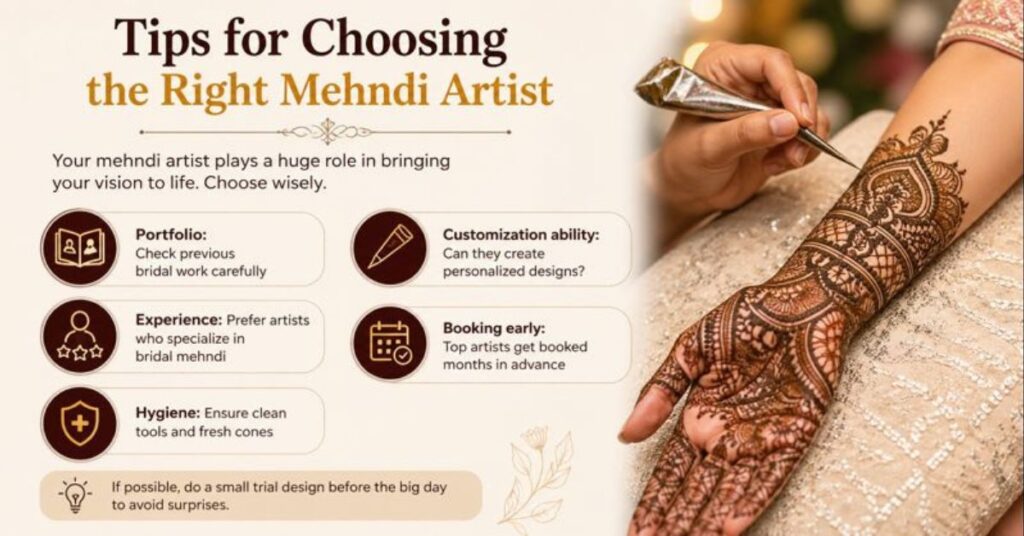
The mehndi artist you choose can make a significant difference to your final bridal look. Even a beautiful reference picture may look different depending on the artist’s technique, line quality, experience, and ability to adapt the design to your hands.
Before booking an artist, spend some time reviewing their previous bridal work.
What to look for:
- Portfolio: Review several examples of their bridal work rather than looking at only one photograph.
- Experience: Choose an artist who regularly creates bridal designs.
- Hygiene: Make sure cones, tools, and working surfaces are clean.
- Customization ability: Ask whether the artist can modify a reference design according to your preferences.
- Booking early: Popular artists may have their schedules filled well before wedding season.
It can also be helpful to discuss your wedding outfit, jewelry, preferred motifs, and desired coverage with the artist before the appointment.
If you have never used a particular henna product before, a small patch test can also be considered to check for unwanted skin reactions.
FAQs
1. Which bridal mehndi design is best for a wedding?
The best Bridal Mehndi Designs depend on your personal style, wedding outfit, and the level of coverage you prefer. Traditional Rajasthani patterns are excellent for a royal appearance, while Arabic designs are suitable for brides who prefer flowing floral patterns. Full-hand bridal designs are ideal for those who want a rich and detailed traditional look.
2. How long does bridal mehndi last?
Bridal mehndi commonly lasts around one to two weeks, although the exact duration can vary depending on skin type, application, aftercare, and how frequently the hands are washed.
The stain usually begins darker and gradually fades as the skin naturally exfoliates.
3. How can I make my mehndi darker naturally?
Allowing the henna to remain on the skin for an appropriate amount of time and following gentle aftercare can help the stain develop well. Avoiding excessive washing immediately after removing the dried paste can also help.
The final color is naturally influenced by the henna quality and individual skin chemistry, so results can vary from person to person.
4. When should a bride apply mehndi before the wedding?
Many brides prefer to apply mehndi one to two days before the wedding so the stain has enough time to develop. Natural henna often becomes darker after the dried paste has been removed, so timing the appointment carefully can help the color reach a richer stage around the wedding day.
5. Are minimal bridal mehndi designs trending?
Yes. Minimal bridal mehndi styles are increasingly popular among brides who prefer clean patterns, open spaces, mandalas, delicate florals, and modern Arabic-inspired designs.
Minimal designs can also be easier to customize and may work particularly well with contemporary wedding outfits.
6. How much does bridal mehndi cost?
The price of bridal mehndi varies widely depending on the artist, location, design complexity, coverage, and amount of customization required. Detailed full-hand or full-arm bridal work generally takes more time and may cost more than simple or minimal designs.
It is best to discuss the complete design and pricing with the artist before booking.
7. Can I customize my bridal mehndi design?
Absolutely. Modern brides often customize their designs with initials, dates, favorite flowers, meaningful symbols, bride-and-groom elements, or small scenes representing special memories.
Customization allows you to create a design that feels unique while still maintaining the traditional beauty of bridal henna.
Conclusion
Your bridal mehndi is more than temporary body art. It can become an important part of your wedding memories and a beautiful reflection of your personality, culture, and individual style.
From detailed Rajasthani patterns and elegant Arabic vines to minimalist mandalas, personalized storytelling designs, and grand full-hand arrangements, there are many beautiful options to explore. The most important thing is to choose a design that makes you feel comfortable, confident, and happy on your special day.
When selecting Bridal Mehndi Designs, consider your wedding outfit, jewelry, ceremony style, preferred level of detail, and the type of photography you want. A thoughtfully chosen design can complement your complete bridal appearance without taking away from your natural beauty.
At Mehndi Crafted, our goal is to share inspiring mehndi ideas and helpful beauty content for brides and mehndi lovers. Whether you are planning your wedding or simply looking for new henna inspiration, exploring different styles can help you discover a design that feels perfect for you.