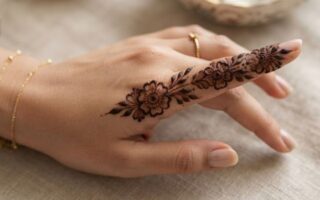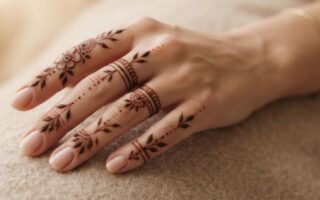
Finger Mehndi Design is one of the most beautiful and versatile ways to decorate your hands with henna. Unlike full-hand mehndi, finger designs focus mainly on the fingers, fingertips, and small connecting areas of the hand. This makes them a perfect choice for anyone who wants an elegant look without covering the entire hand with detailed patterns.
A beautiful Finger Mehndi Design can be simple, minimal, traditional, or modern depending on the occasion and personal style. Some designs use only tiny dots and delicate lines, while others include flowers, leaves, paisleys, geometric patterns, rings, and Arabic-inspired details.
One of the biggest advantages of finger mehndi is that it does not require a lot of time or advanced mehndi skills. Beginners can start with basic lines, dots, small leaves, and simple floral patterns and gradually move toward more detailed designs.
In this guide, Mehndi Crafted shares simple, stylish, and modern Finger Mehndi Design ideas along with helpful application tips, beginner instructions, long-lasting stain advice, common mistakes, and the latest trends. Whether you need mehndi for Eid, a wedding, a family gathering, a party, or everyday beauty, these ideas can help you choose a style that suits you.
What Are Finger Mehndi Styles?
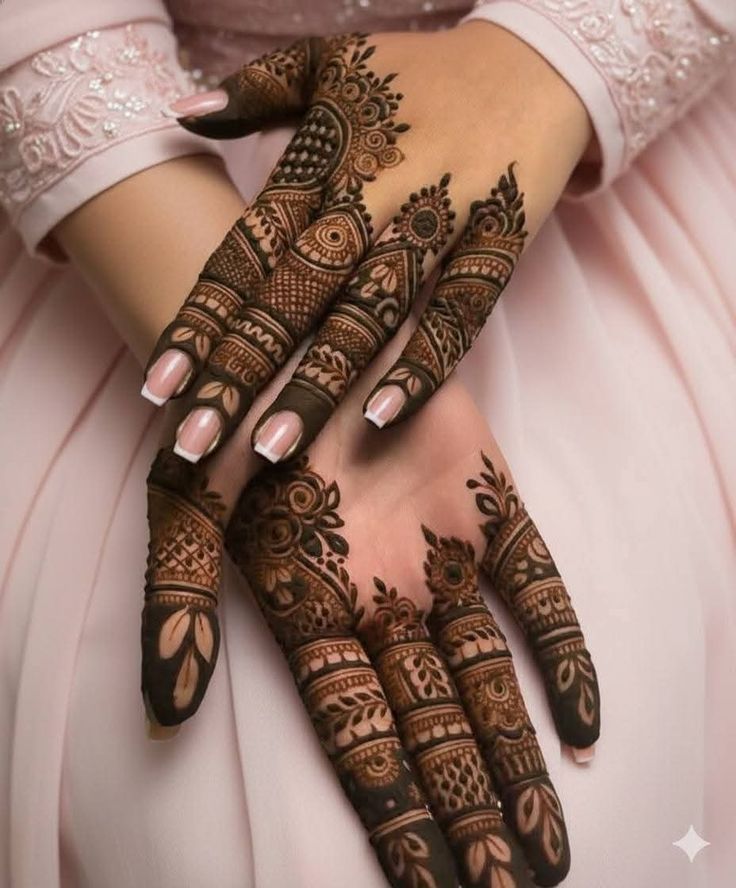
Finger henna art focuses mainly on decorating the fingers instead of covering the entire hand. Depending on your preference, a design can cover only the fingertips, the middle portion of the fingers, or extend slightly toward the palm.
A Finger Mehndi Design can be created with very simple elements such as dots, curved lines, leaves, tiny flowers, and small geometric shapes. More detailed designs may include paisleys, vines, mandala-inspired details, and traditional Indian or Pakistani motifs.
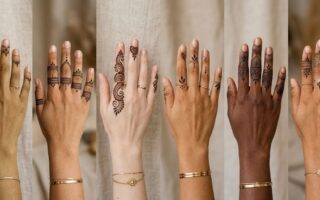
One reason finger mehndi is so popular is its flexibility. You do not always need to apply the same pattern to every finger. You can decorate one finger with a floral design, another with lines and dots, and another with a ring-style pattern. This creates a creative and modern appearance while keeping the overall look balanced.
Finger mehndi can also be combined with other hand designs. For example, a delicate finger pattern can be connected to a small wrist vine or a simple back-hand design. If you prefer a clean appearance, you can leave plenty of negative space between the patterns.
For beginners, starting with a simple Finger Mehndi Design is usually easier because there are fewer details to manage. Once you become comfortable controlling the mehndi cone, you can experiment with more intricate patterns.
Why Finger Mehndi Styles Are So Popular
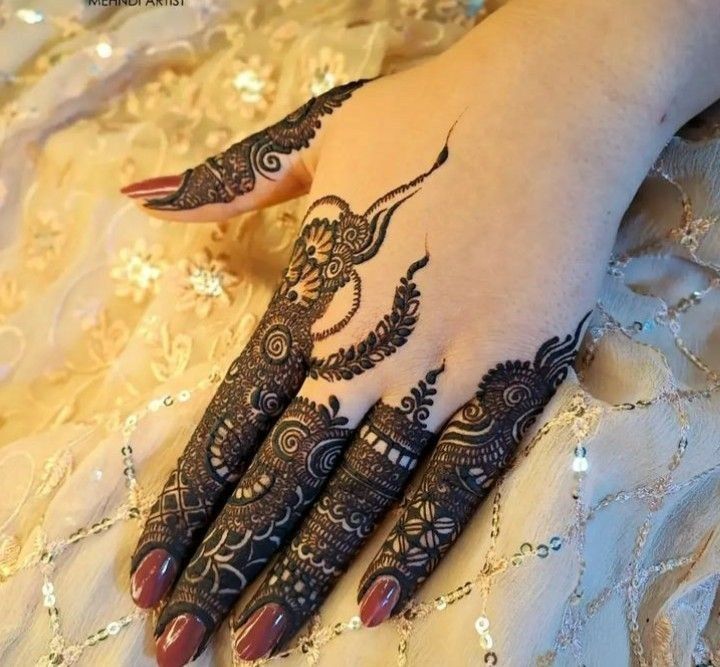
Finger mehndi has become increasingly popular because it offers the beauty of henna without requiring a full-hand design. Many girls and women prefer this style when they want something quick, elegant, and easy to maintain.
There are several reasons why people choose a Finger Mehndi Design:
- It looks modern and stylish.
- It is quick and easy to apply.
- It uses less mehndi paste.
- It is suitable for beginners.
- It works well with both traditional and western outfits.
- It can be worn for casual and formal occasions.
- It gives the hands a neat and polished appearance.
- It allows plenty of negative space around the design.
Another advantage is that finger mehndi can be customized according to your personality. Someone who likes traditional designs can choose paisleys and floral vines, while someone who prefers a modern appearance can select geometric lines, rings, tiny hearts, or abstract patterns.
Finger mehndi is also useful when you have limited time before an event. Instead of spending several hours applying a full-hand design, you can create an attractive finger pattern in a much shorter time.
For bridesmaids and wedding guests, a delicate Finger Mehndi Design can add an elegant finishing touch to the hands. Brides can also use detailed finger patterns for engagement ceremonies, bridal showers, or smaller pre-wedding events.
Types of Finger Mehndi Design
There are many different styles of finger mehndi, so you can easily find an option according to your outfit, event, and personal taste. Some of the most popular styles are simple, minimal, traditional, and modern designs.
Simple Finger Mehndi Design
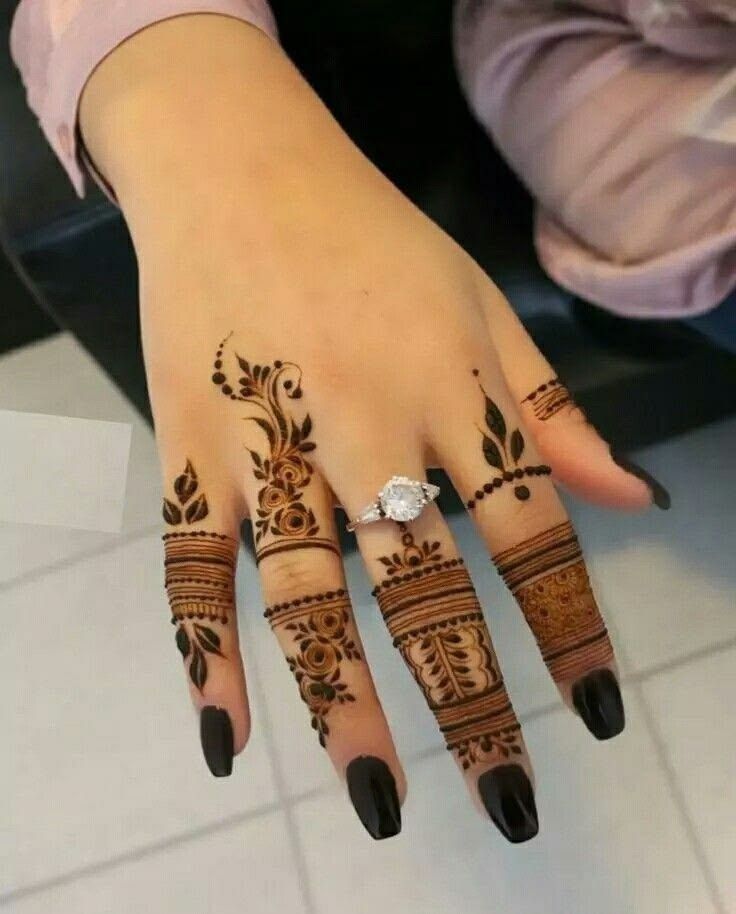
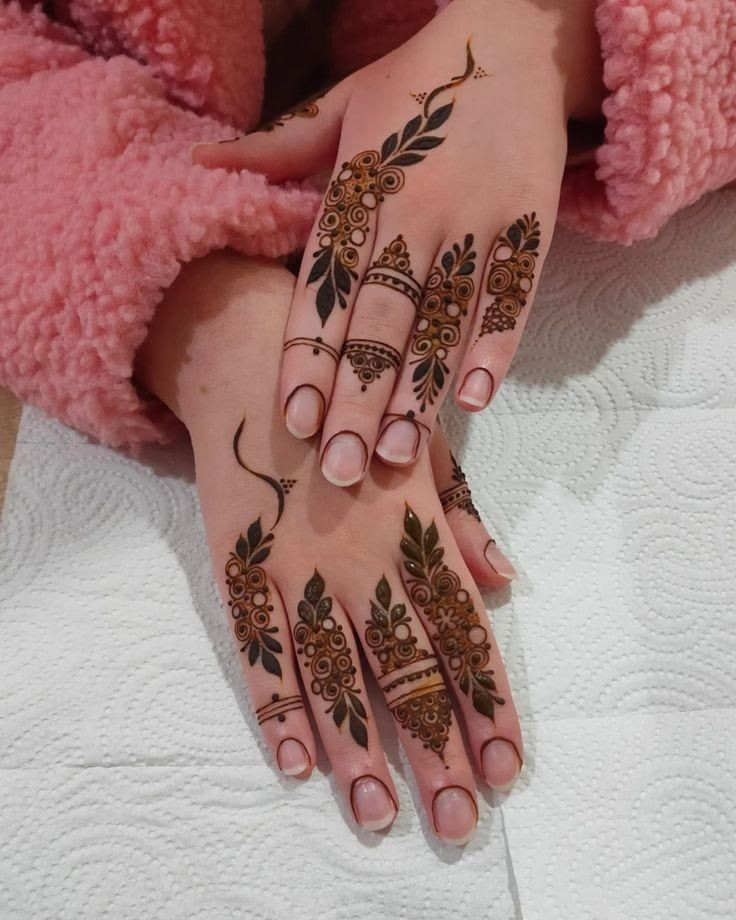
A Simple Finger Mehndi Design is ideal for anyone who wants a beautiful pattern without complicated detailing. These designs usually combine clean lines, dots, leaves, small flowers, and tiny curves.
Simple designs are especially useful for beginners because they are easy to draw and do not require perfect cone control. You can begin with one central line and add small decorative elements around it.
Common elements include:
- Straight and curved lines
- Small dots
- Tiny leaves
- Small flowers
- Short vines
- Simple paisleys
- Tiny circles
- Minimal geometric shapes
The key to making a simple design look beautiful is spacing. Instead of filling every available area, leave some space between individual elements. This makes the design look cleaner and more sophisticated.
A simple Finger Mehndi Design is also a great choice for everyday wear. It can be applied before a family gathering, dinner, birthday, school event, or casual celebration.
If you are applying mehndi for the first time, practice your basic lines and dots on paper before working on your hand. This can help you become more comfortable with the cone and improve your control.
Common elements include:
- Straight lines
- Small dots
- Leaf patterns
- Tiny flowers
This style is perfect if you want something elegant but not heavy.
Minimal Finger Mehndi Design
Features of minimal designs:
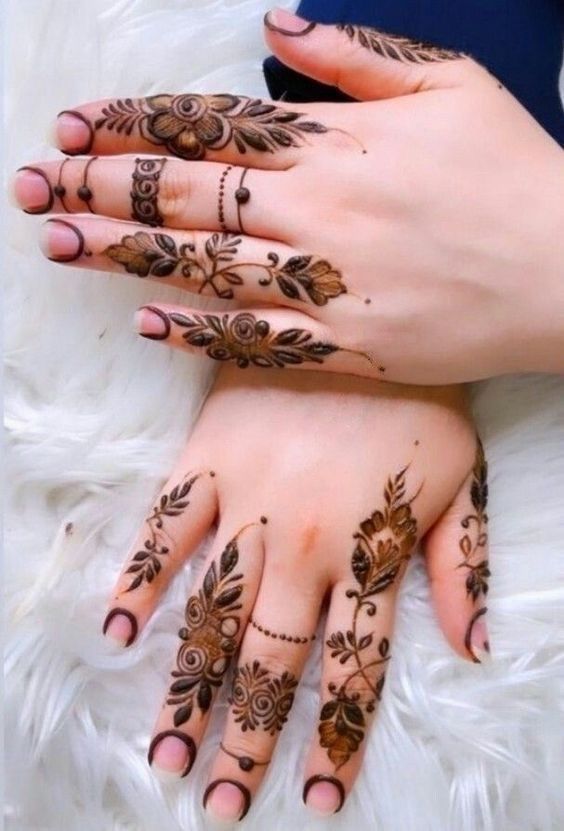
Minimal Finger Mehndi Design follows the idea of “less is more.” Instead of covering the complete finger, minimal patterns use a few carefully placed elements to create a stylish result.
These designs are especially suitable for people who prefer modern, clean aesthetics. They can also be a good choice for working women or anyone who wants a subtle henna look.
Features of minimal designs:
- Thin and delicate lines
- Plenty of negative space
- Tiny floral details
- Small symbols
- Fine dots
- Simple ring patterns
- Limited use of shading
- Small geometric shapes
Negative space is an important part of minimal mehndi. The empty areas around the design are not a mistake; they help the pattern stand out.
A Minimal Finger Mehndi Design can also be customized according to the length of your fingers. Longer fingers can accommodate slightly extended vines, while shorter fingers may look better with compact patterns.
For a modern look, try combining a thin line with a tiny flower or leaf. You can also create a small ring-style pattern around the middle of one finger and leave the remaining fingers mostly empty.
Traditional Finger Mehndi Design
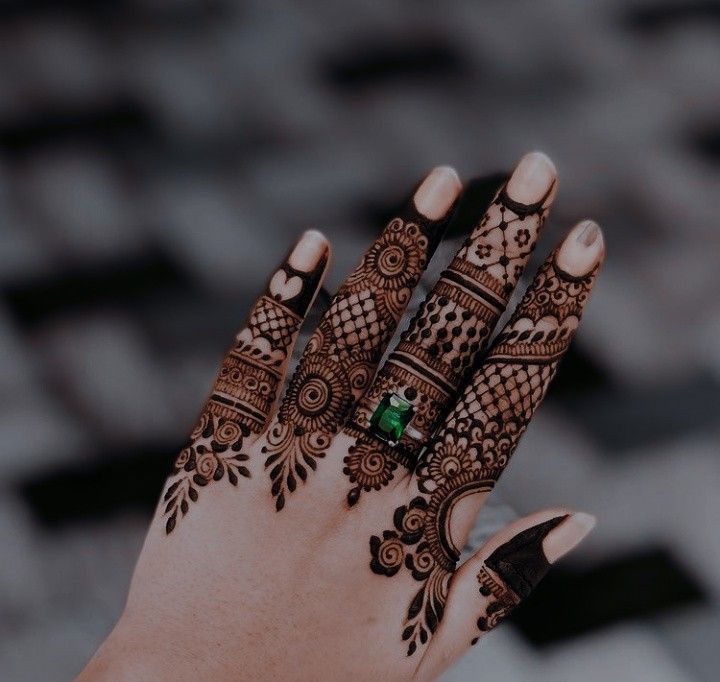
They often include:
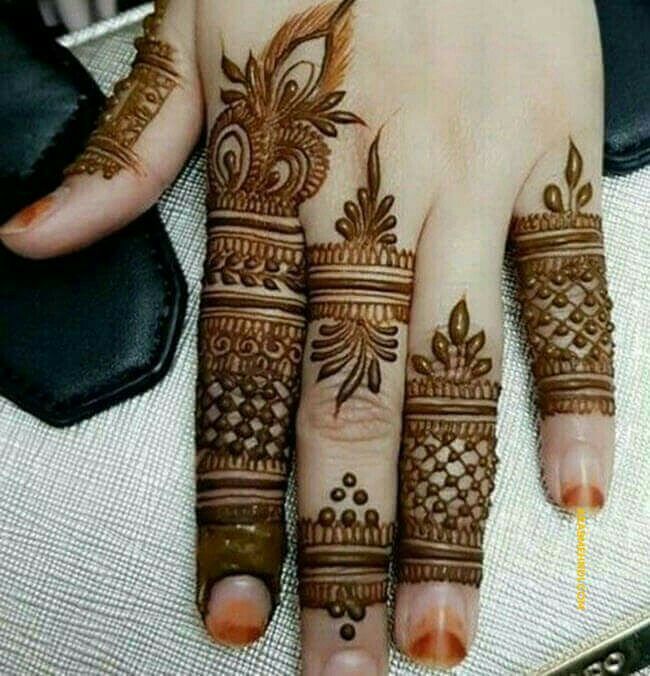
Traditional finger mehndi is inspired by classic henna art. These designs usually contain floral patterns, paisleys, vines, fine lines, and decorative details.
Although traditional designs can be detailed, they do not necessarily need to cover the entire finger. A small traditional motif placed carefully can create a beautiful and elegant appearance.
They often include:
- Paisley patterns
- Floral vines
- Fine detailing
- Traditional curves
- Small petals
- Leaf motifs
- Dots and delicate fillers
Traditional Finger Mehndi Design is especially suitable for weddings, Eid celebrations, family functions, and cultural festivals.
If you are wearing a traditional outfit such as a shalwar kameez, lehenga, saree, or gharara, traditional finger mehndi can complement the overall appearance beautifully.
For bridal events, the design can be made more detailed by adding small paisleys and floral vines. For guests or bridesmaids, keeping the pattern lighter can create a balanced look.
Modern and Stylish Finger Mehndi Design
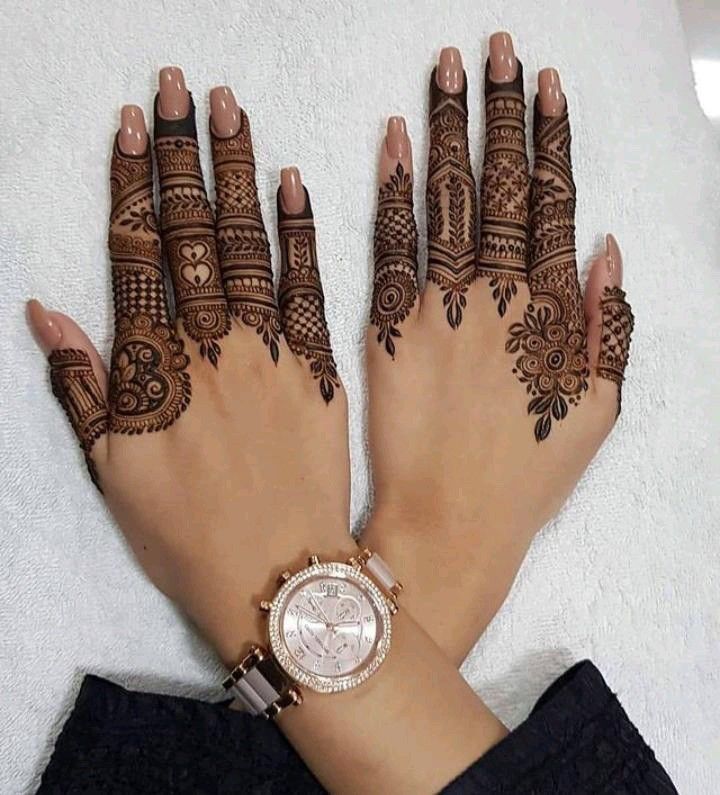
Modern finger mehndi designs include:
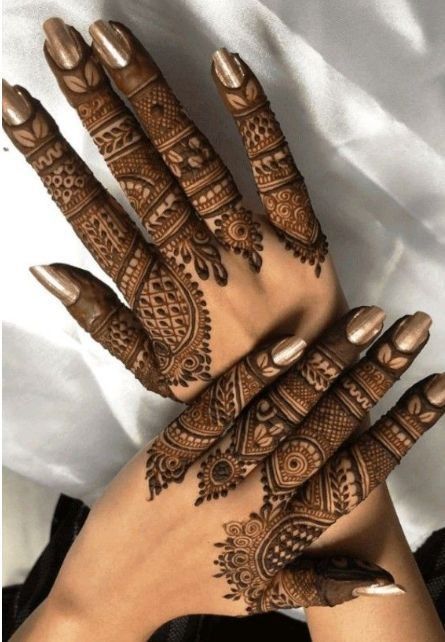
Modern Finger Mehndi Design combines traditional henna techniques with contemporary patterns. These designs are perfect for people who want something different from classic floral mehndi.
Modern finger mehndi often focuses on clean shapes and creative placement. Instead of decorating every finger in the same way, you can create a focal point on one or two fingers.
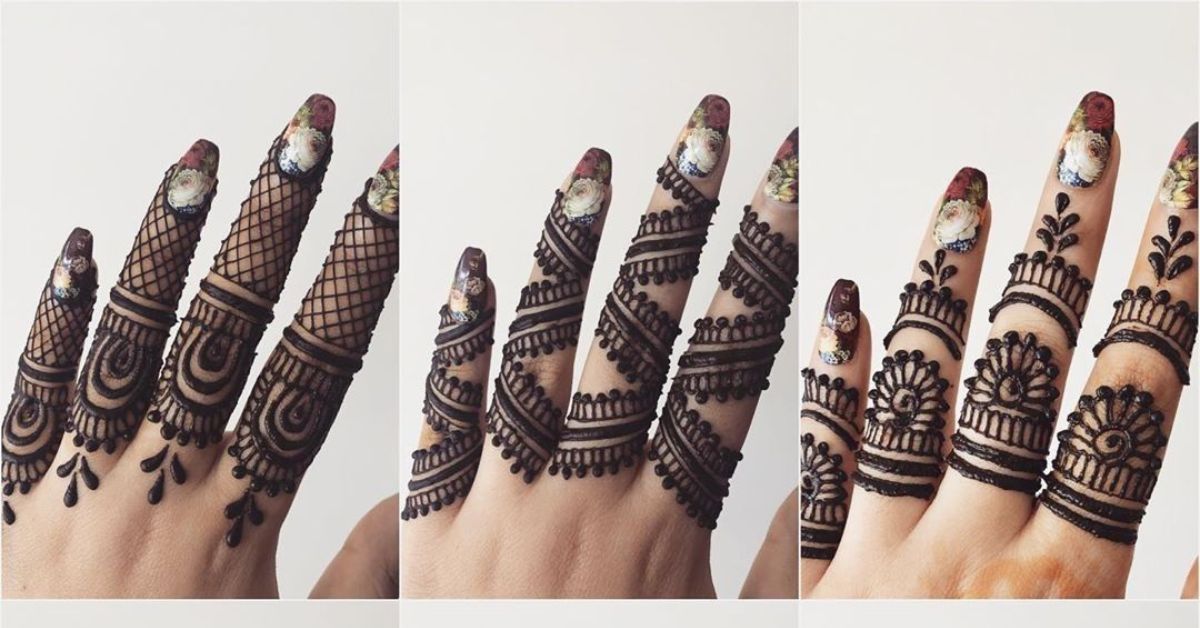
Modern finger mehndi designs include:
- Geometric shapes
- Ring-style mehndi
- Bracelet-look designs
- Arabic-inspired strokes
- Minimal vines
- Tiny hearts
- Abstract lines
- Negative-space patterns
Geometric patterns can include triangles, squares, curved boxes, and intersecting lines. When applied carefully, these shapes create a fashionable appearance.
Ring-style mehndi is another popular option. A small decorative band can be drawn around the finger, making it appear similar to a henna ring.
Arabic-inspired strokes can also be used on fingertips. These usually feature flowing curves, leaves, and small floral details.
Best Occasions for Finger Mehndi Design
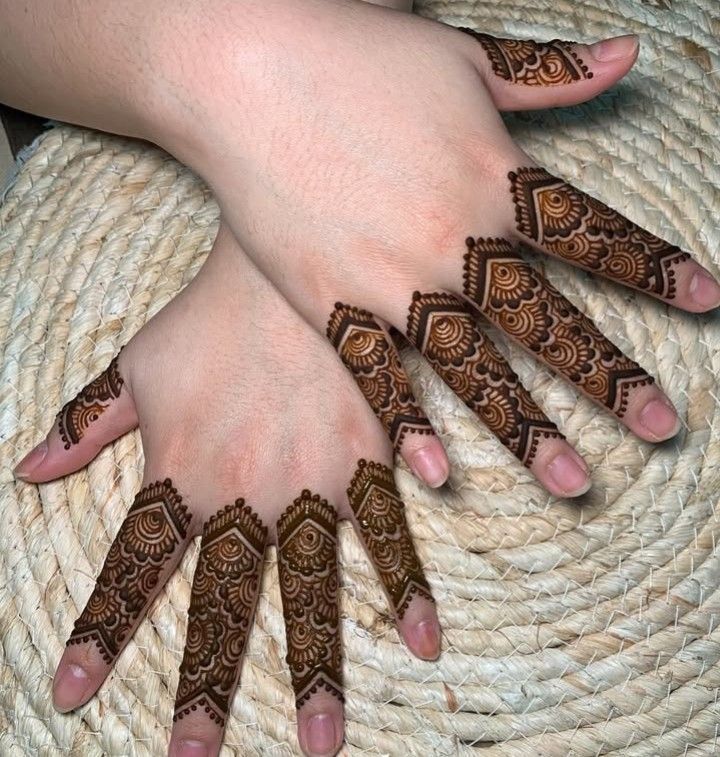
Finger mehndi is versatile enough to be worn for almost any celebration. Because the designs can be simple or detailed, you can easily select a pattern according to the event.
Finger mehndi works beautifully for:
- Weddings
- Engagements
- Mehndi ceremonies
- Eid celebrations
- Religious festivals
- Birthday parties
- Family gatherings
- Bridal showers
- School or college events
- Fashion photoshoots
- Casual occasions
For a casual event, choose a Simple Finger Mehndi Design with dots and tiny leaves. For a wedding or engagement, you can select a more detailed floral or traditional design.
Eid is another excellent occasion for finger mehndi because you can create an attractive design without spending a lot of time. A minimal design also works well when you want your jewelry and outfit to remain the main focus.
Benefits of Finger Mehndi Design
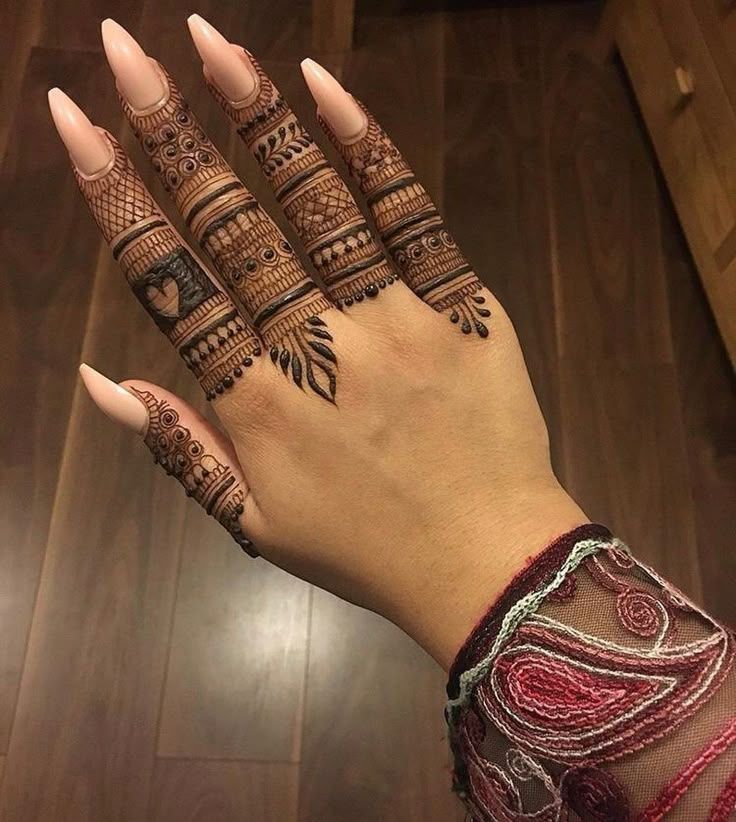
Finger mehndi offers several practical and aesthetic benefits, which is why it remains popular among different age groups.
1. Easy to Apply
Finger designs are generally easier to apply than full-hand mehndi. Since the design area is smaller, beginners can practice their cone control without feeling overwhelmed.
You can start with basic dots, lines, leaves, and tiny flowers. Once you become more confident, you can try paisleys and more detailed patterns.
2. Time-Saving
A full-hand mehndi design can take several hours, especially when the pattern contains detailed filling and shading. Finger mehndi requires much less time.
This makes it ideal when you have an event coming up and do not have enough time for a complete hand design.
3. Budget-Friendly
Finger mehndi uses less henna paste than a full-hand design. If you are applying mehndi at home, a small amount of good-quality paste can be enough for several simple finger patterns.
This makes it a practical option for casual use.
4. Modern Look
A delicate finger design can make the hands look stylish without appearing too heavy. Minimal patterns, geometric lines, ring-style details, and negative space all contribute to a modern appearance.
5. Comfortable to Wear
Because finger mehndi uses a smaller amount of paste and covers less skin, many people find it more comfortable than heavy full-hand patterns.
It can also be easier to manage while eating, working, using a phone, or attending an event.
Step-by-Step Guide to Apply Finger Mehndi Design
- Simple Finger Mehndi Design
- Minimal Finger Mehndi Design
- Traditional or modern style
You can draw inspiration from online images.
Step 3: Start with Outlines
- Begin from the fingertip
- Draw light outlines first
- Use thin lines for a neat look
Step 4: Add Details
- Fill small shapes
- Add dots and lines
- Keep spacing even
Do not overcrowd the design.
Step 5: Let the Mehndi Dry
- Let it dry for at least 2–3 hours
- Avoid touching water
Step 6: Remove Mehndi Carefully
- Scrape off dried mehndi
- Do not wash with water immediately
Tips for Long-Lasting Finger Mehndi Design
A good stain depends on several factors, including the quality of the henna paste, application, drying time, skin type, and aftercare.
Use fresh, natural mehndi
Fresh, good-quality henna paste generally gives better results than old or poorly stored paste. If you prepare your own paste, use suitable ingredients and store it properly.
Avoid unknown chemical products that claim to create an instant black stain, as some may contain ingredients that can irritate the skin.
Avoid water for 12 hours
Try to avoid unnecessary contact with water immediately after removing the dried paste. The longer the stain develops without repeated washing, the better your chances of getting a richer color.
If you need to wash your hands, do so gently and avoid excessive scrubbing.
Apply heat gently after drying
Gentle warmth may help keep the hands comfortable while the paste is developing. Avoid excessive heat or anything that could burn or irritate the skin.
Keep your hands warm
Warm hands can support the normal staining process. However, comfort and skin safety should always come first.
Do not use extreme heat to force the stain to become darker.
Common Mistakes to Avoid
Even a beautiful design can look uneven if the application process is rushed. Avoiding a few common mistakes can make your Finger Mehndi Design cleaner.
1. Using Oily Hands
Oil, lotion, and heavy creams can interfere with the henna paste’s contact with the skin.
Always clean and dry your hands before application.
2. Overloading the Design
Adding too many patterns can make a minimal finger design look crowded.
Finger mehndi looks best when the elements have enough space. If you are creating a modern design, use negative space intentionally.
3. Rushing the Process
Trying to finish quickly can result in uneven lines, messy dots, and poorly shaped flowers.
Take your time, especially when creating detailed patterns.
4. Thick Lines
Very thick lines can make a delicate Finger Mehndi Design look heavy.
Use controlled pressure and practice on paper if you are still learning how to use the cone.
5. Washing Hands Too Soon
Removing the dried paste and immediately washing your hands can affect the developing stain.
Give the henna enough time to develop before exposing the area to repeated washing.
Finger Mehndi Design for Beginners
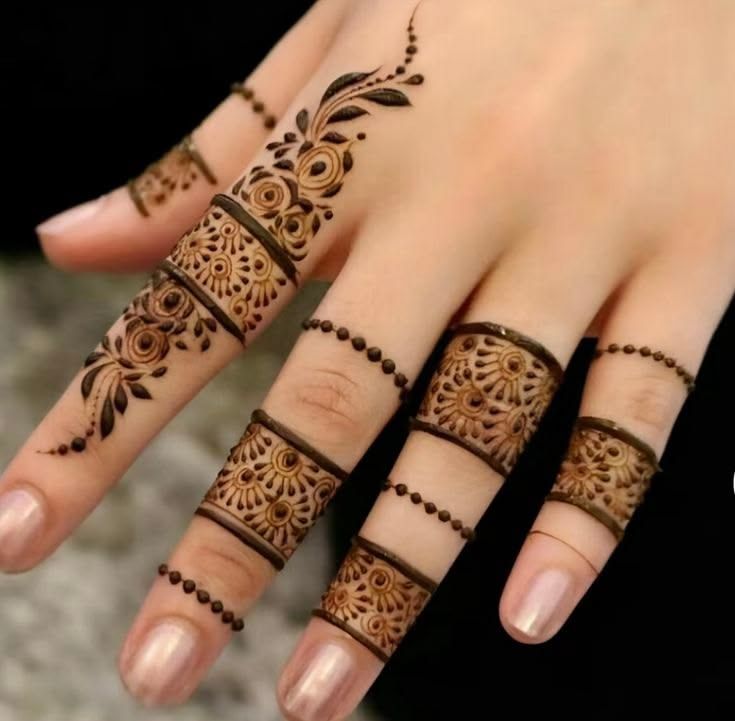
If you are completely new to henna, start with the simplest possible patterns. You do not need advanced skills to create a beautiful design.
Good beginner elements include:
- Dots
- Straight lines
- Curved lines
- Simple leaves
- Tiny flowers
- Small circles
- Basic ring patterns
Start with one finger instead of trying to decorate all fingers simultaneously. Once you become comfortable with the cone, repeat similar elements on the remaining fingers.
A Simple Finger Mehndi Design is one of the best practice options because it allows beginners to understand pressure control, line thickness, spacing, and pattern placement.
You can also create your own design by combining three basic elements: a curved line, small leaves, and dots. This simple combination can look surprisingly elegant.
Another beginner-friendly method is to draw a small flower near the fingertip and connect it to a thin vine. Add two or three leaves and a few dots to complete the look.
Latest Trends in Finger Mehndi Design
Some trending styles include:
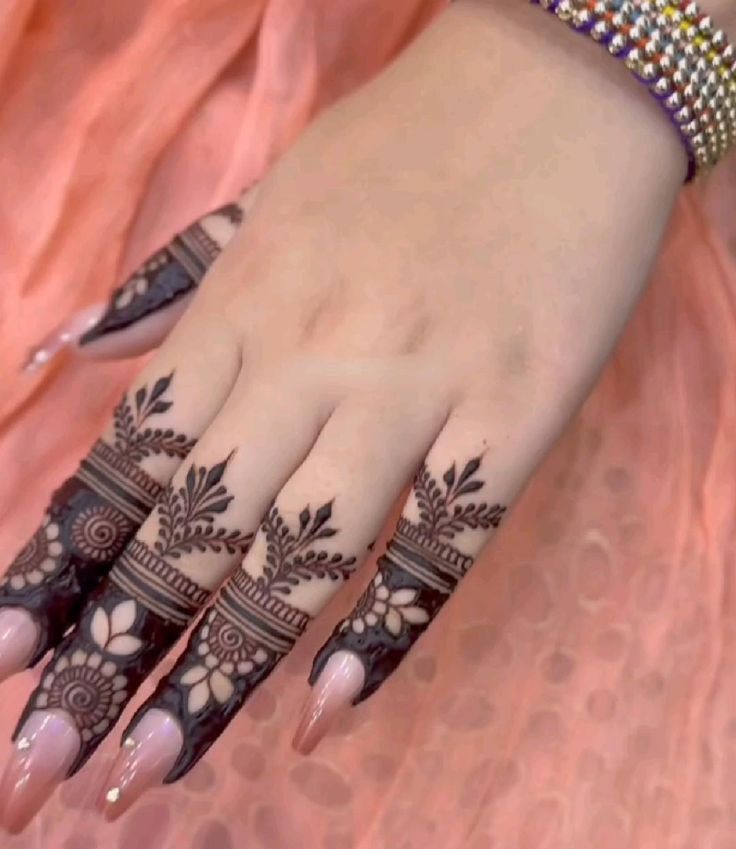
- Ring-style finger mehndi
- Single-finger focus design
- Arabic strokes on fingertips
- Minimal Finger Mehndi with empty spaces
These trends are popular on social media and fashion platforms.
FAQs
1. How long does Finger Mehndi Design last?
Finger mehndi usually lasts 5 to 7 days, depending on care and skin type.
2. Is Finger Mehndi Design suitable for brides?
Yes, many brides choose a minimal finger Mehndi for engagement or pre-wedding events.
3. Can beginners apply Finger Mehndi Design at home?
Yes, finger designs are easy and perfect for beginners.
4. Which is better: simple or minimal finger mehndi?
Both are good. Simple Finger Mehndi is slightly detailed, while minimal designs are more modern.
5. How can I make my finger mehndi darker?
Avoid water, apply a lemon-sugar mix, and keep hands warm after drying.
6. Can finger mehndi be applied to kids?
Yes, simple and light designs are safe and suitable for kids.
Conclusion
Finger Mehndi Design is a beautiful combination of simplicity, creativity, and elegance. Whether you prefer a delicate pattern, a traditional floral style, or a modern geometric design, there are countless ways to decorate your fingers with henna.
One of the best things about finger mehndi is its versatility. A Simple Finger Mehndi Design can be perfect for everyday use, while a detailed traditional pattern can complement a wedding or festive outfit. A Minimal Finger Mehndi Design is ideal for anyone who prefers a modern appearance with plenty of negative space.
Finger mehndi is also beginner-friendly, affordable, and quick to apply. With a little practice, you can create attractive patterns using only basic elements such as dots, lines, leaves, flowers, and small paisleys.
At Mehndi Crafted, we love sharing beautiful and practical henna inspiration for different occasions and styles. Whether you are looking for a simple design for Eid, a stylish pattern for a party, or elegant wedding inspiration, finger mehndi is an easy way to add charm to your hands.
Choose a design that matches your personality, prepare your hands properly, take your time while applying the pattern, and allow the henna to develop naturally. With these simple steps, your Finger Mehndi Design can look neat, stylish, and beautiful.