If you have ever searched for traditional body art, you may have wondered about the difference between Mehndi and Henna. The two words are often used interchangeably, especially when people talk about temporary body art, bridal designs, festivals, and cultural celebrations. However, although they are closely connected, the terms can have slightly different meanings depending on the region, language, and context.
Mehndi and henna both come from the same natural plant, Lawsonia inermis. The leaves of this plant contain a natural dye called lawsone, which can stain the skin in shades ranging from orange and reddish-brown to deep brown. For centuries, this plant-based dye has been used for body decoration, hair coloring, and traditional ceremonies.
In South Asian cultures, the word “mehndi” commonly refers to both the paste and the decorative art created with it. In English-speaking countries, “henna” is more commonly used to describe the plant, paste, and temporary body art.
At Mehndi Crafted, we explore traditional and modern henna inspiration while focusing on designs that are beautiful, practical, and easy to understand. Whether you are preparing for a wedding, Eid, festival, or simply want to try a new design, knowing the basics can help you choose the right type of henna art.
So, let’s take a closer look at the Mehndi vs Henna debate and understand what these terms really mean.
What Is Mehndi?
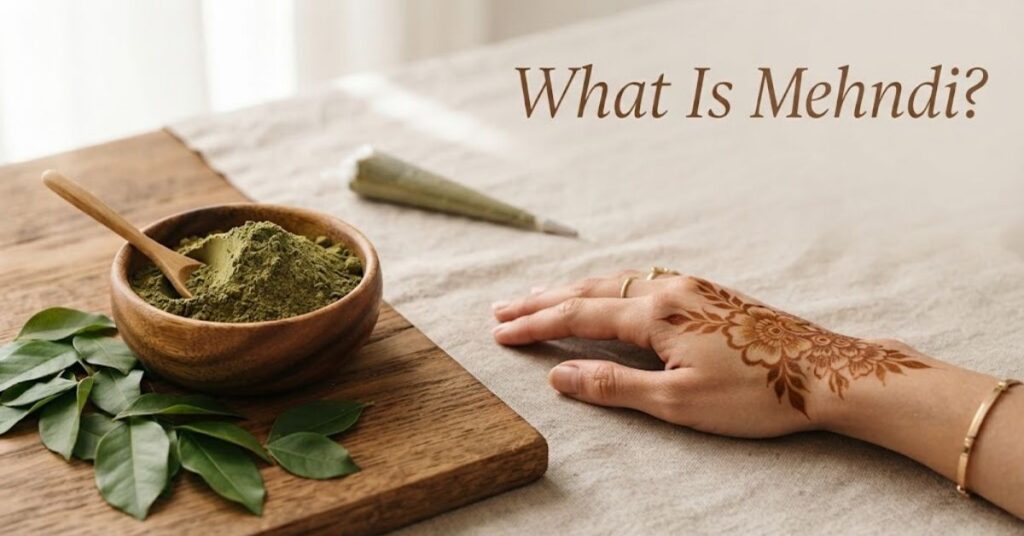
Mehndi is a traditional form of temporary body art created using a paste made from the leaves of the henna plant. The practice has strong cultural connections with South Asia, the Middle East, North Africa, and other regions.
The word “mehndi” is especially common in countries such as Pakistan and India. In these cultures, mehndi is more than just decorative body art. It can be an important part of weddings, religious celebrations, festivals, and family gatherings.
Traditional mehndi is usually applied to:
- Hands
- Fingers
- Palms
- Feet
- Wrists
- Forearms
The designs can be extremely detailed or very simple. Some people prefer full bridal patterns, while others choose minimalist floral or leafy designs for everyday occasions.
Traditional Mehndi Ingredients
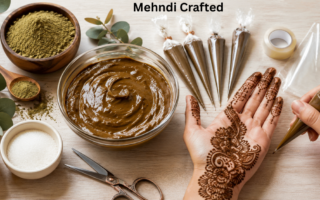
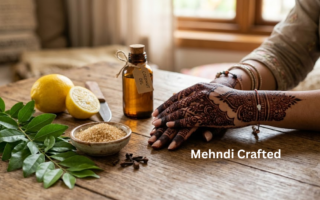
A traditional paste may contain:
- Henna powder
- Water
- Lemon juice
- Essential oils
- Sugar
The exact recipe varies from person to person. Traditionally prepared henna paste does not need artificial dyes to create a beautiful stain.
The quality of the henna powder also matters. Fresh, finely sifted henna usually produces a smoother paste and a better stain.
What Is Henna?
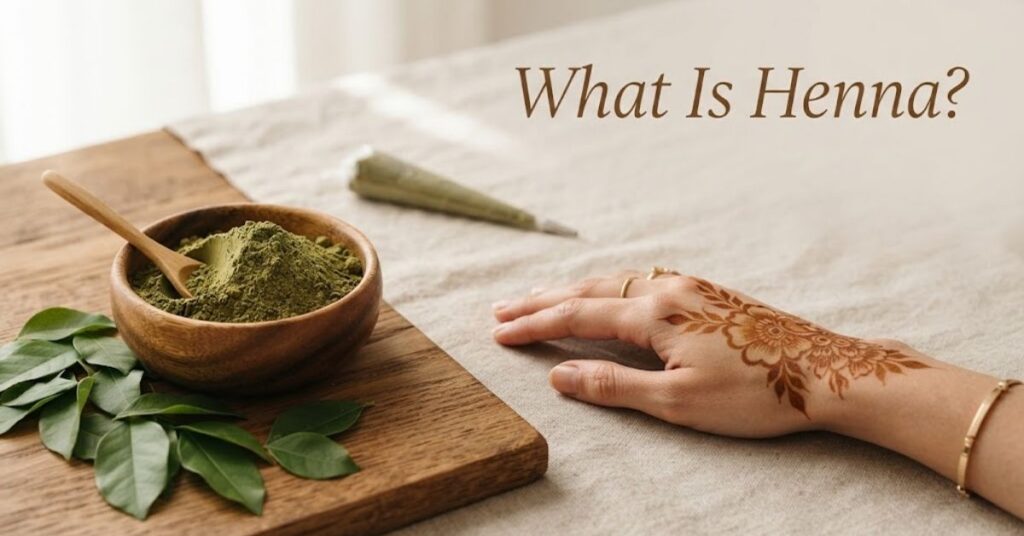
Henna refers primarily to the plant and the natural dye produced from it. The botanical name of the plant is Lawsonia inermis.
The leaves of the plant are dried and ground into a fine powder. When the powder is mixed with a suitable liquid and allowed to release its dye, it becomes a paste that can be used for skin decoration or hair.
The term “henna” is widely recognized internationally. You will often see products described as:
- Natural henna
- Henna powder
- Henna paste
- Henna cones
- Henna body art
- Henna tattoos
This is one reason people sometimes become confused when comparing Mehndi vs Henna. In many situations, they are talking about the same natural dye but using different terminology.
Mehndi vs Henna: Are They Actually Different?
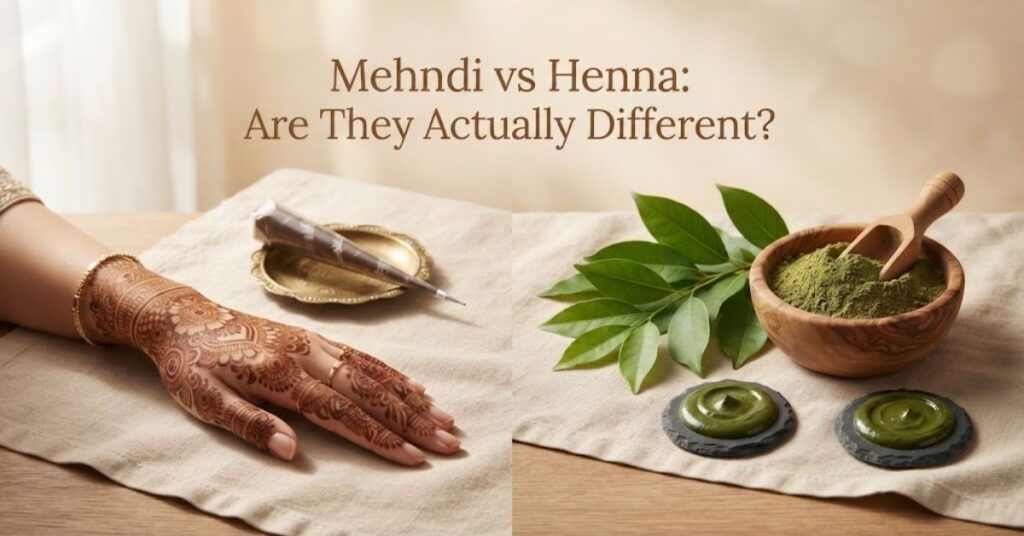
The simplest answer is: usually, there is no major difference in the natural substance itself.
Both terms are associated with the henna plant and its natural dye.
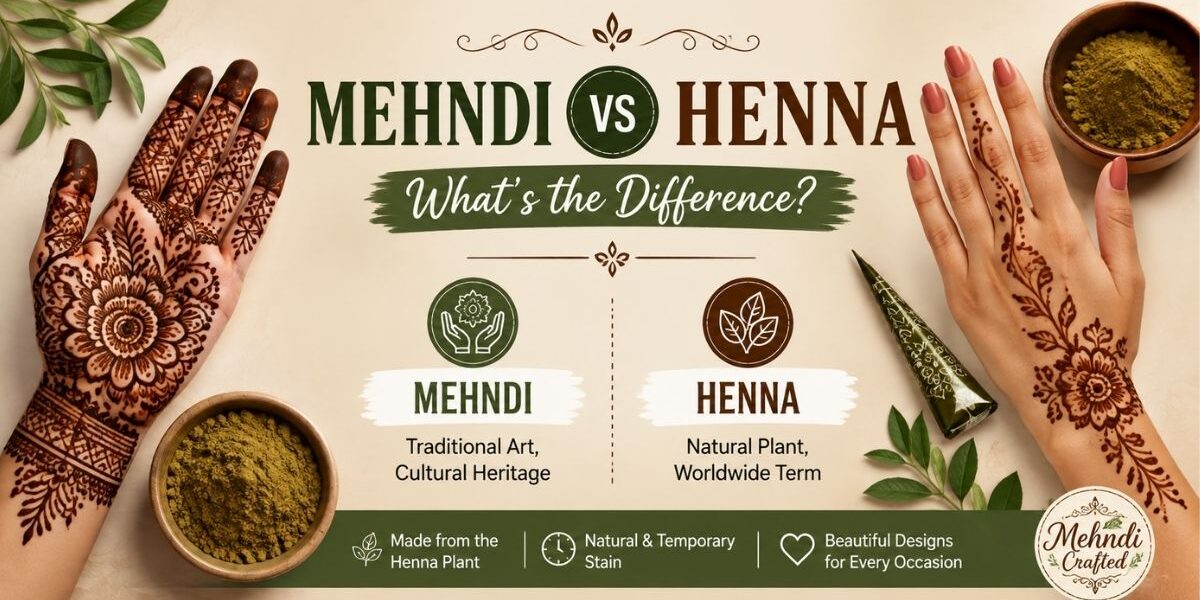
The main difference is generally language, culture, and usage.
| Mehndi | Henna |
| Commonly used in South Asia | Commonly used internationally |
| Often refers to the art and paste | Often refers to the plant, dye, paste, or art |
| Strong cultural connection with weddings and festivals | Broad term used for temporary body art |
| Popular in Pakistan, India, Bangladesh, and nearby regions | Commonly used in English-speaking countries |
| Often associated with intricate designs | Can describe simple or intricate designs |
Therefore, when discussing Mehndi vs Henna, it is more accurate to think about the context rather than treating them as completely different substances.
Where Did Mehndi and Henna Come From?
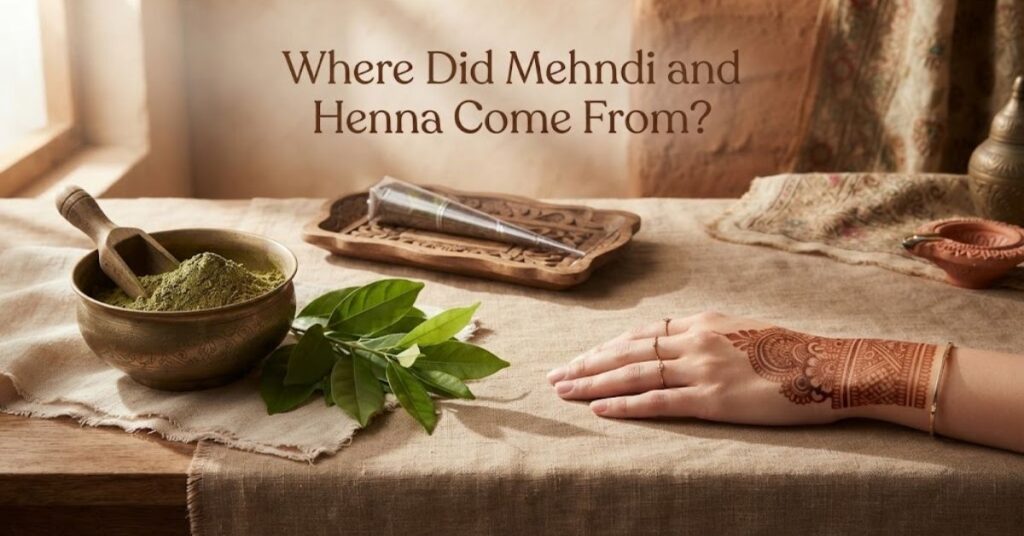
Henna has a long history, and its use goes back thousands of years. Different cultures across North Africa, the Middle East, and South Asia developed their own traditions and styles.
Because of this long history, it is difficult to identify one single place as the “birthplace” of mehndi.
Henna traditions developed differently in different regions. Some designs emphasized geometric patterns, while others focused on flowers, vines, leaves, paisleys, and symbolic motifs.
South Asian mehndi eventually became particularly famous for detailed hand and foot designs.
Cultural Importance
Mehndi can represent:
- Celebration
- Beauty
- Good fortune
- Love
- Marriage
- Joy
- Tradition
- Community
In South Asian weddings, the mehndi ceremony can be one of the most enjoyable pre-wedding events. Friends and relatives often gather together while the bride and other guests receive henna designs.
The Difference Between Mehndi and Henna in Everyday Use
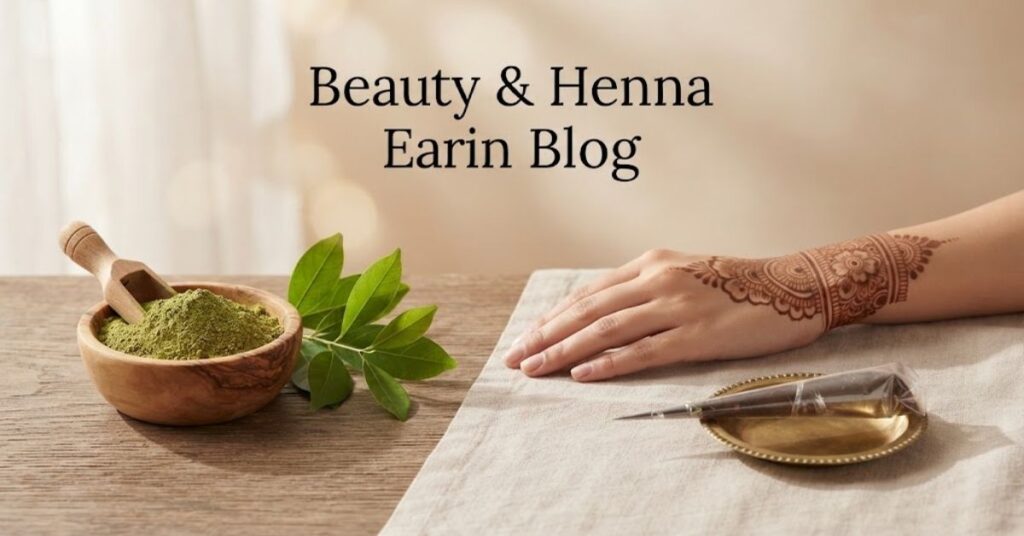
One important point in the difference between Mehndi and Henna is how people use the words.
A Pakistani person might say:
“I am getting mehndi done.”
Someone in the United States might say:
“I am getting a henna tattoo.”
Both people may be referring to temporary body art made using natural henna.
The difference is largely linguistic.
“Mehndi” is a word deeply associated with South Asian traditions, while “henna” is the more globally recognized English term.
Natural Mehndi vs Chemical Henna
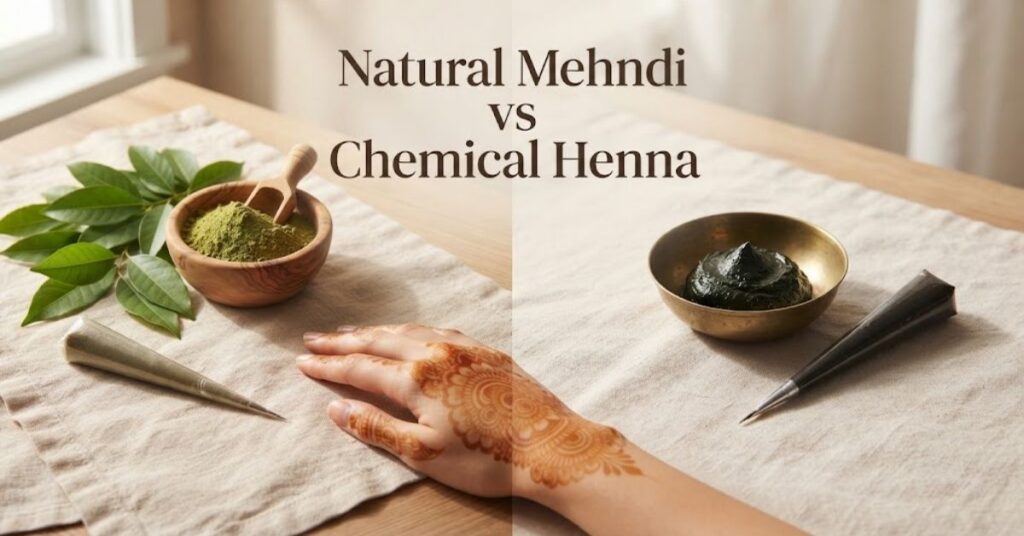
This is where the distinction becomes particularly important.
Natural Mehndi is made from the leaves of the henna plant and normally produces an orange, red, reddish-brown, or dark brown stain as it develops.
Some commercially available products, however, may contain additional chemicals or artificial dyes.
Consumers should always check the ingredients before applying a product to the skin.
What Does Natural Henna Look Like?
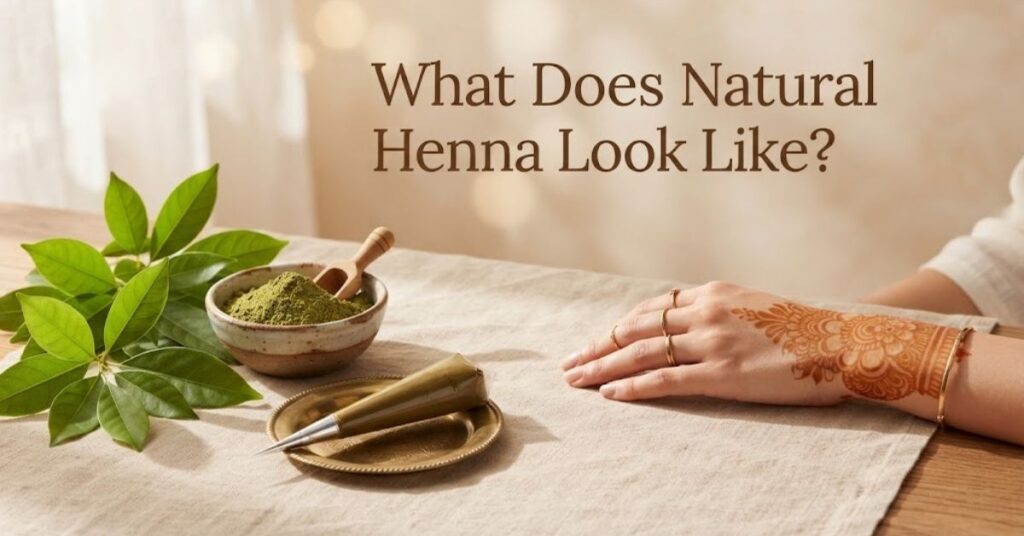
Fresh natural henna paste is usually greenish or greenish-brown.
After application, the paste dries on the skin and may initially leave an orange stain. Over the next one to three days, the stain can become deeper brown or reddish-brown.
The final shade depends on several factors, including:
- Henna quality
- Skin temperature
- Body location
- Paste quality
- Application time
- Aftercare
- Individual skin chemistry
Why Does Natural Henna Turn Dark?
The dye molecule in henna is called lawsone.
When the henna paste is applied to the skin, lawsone binds with proteins in the outer layers of the skin. The stain then continues to oxidize after the paste is removed.
This explains why a fresh henna stain can look relatively light at first and become darker later.
Typical Stain Development
A natural henna stain may follow this general pattern:
Fresh paste → Orange stain → Reddish-orange → Brown → Deep reddish-brown
The exact result varies from person to person.
Does Mehndi Last Longer Than Henna?
Because natural mehndi and natural henna come from the same plant, the longevity is generally similar.
A natural henna stain may last approximately one to two weeks, although this can vary.
Factors that affect longevity include:
1. Body Location
Hands and feet can sometimes develop strong stains, but areas exposed to frequent washing or friction may fade faster.
2. Washing
Frequent handwashing, swimming, and bathing can gradually remove the outer layers of stained skin.
3. Skin Type
Everyone’s skin reacts differently to henna.
4. Application Technique
Leaving the paste on the skin for an appropriate amount of time can help develop a stronger stain.
5. Aftercare
Good aftercare can help the stain remain visible for longer.
Mehndi vs Henna Designs: Is There a Difference?
The design style is another area where people often compare Mehndi vs Henna.
Technically, the same natural henna paste can be used to create many different styles.
However, cultural traditions influence the appearance of the designs.
Popular Mehndi Styles
South Asian mehndi often features:
- Paisleys
- Flowers
- Leaves
- Mandalas
- Peacocks
- Fine lines
- Dense patterns
- Bridal motifs
- Detailed finger designs
Arabic Henna Styles
Arabic-inspired henna often features:
- Large flowers
- Bold leaves
- Flowing vines
- Negative space
- Diagonal patterns
- Open compositions
Minimal Henna Designs
Modern minimalist designs may include:
- Tiny flowers
- Small leaves
- Finger bands
- Simple vines
- Hearts
- Stars
- Small geometric elements
For inspiration, you can also explore our collection of simple floral mehndi designs on Mehndi Crafted.
Bridal Mehndi vs Everyday Mehndi
Bridal mehndi is usually more detailed than everyday mehndi.
A bridal design may cover:
- Both palms
- Back hands
- Fingers
- Wrists
- Forearms
- Feet
Some brides choose extremely detailed patterns that take several hours to complete.
Everyday mehndi, on the other hand, is usually simpler and quicker.
Popular everyday options include:
- Small floral designs
- Leafy vines
- Finger mehndi
- Bracelet mehndi
- Minimal Arabic patterns
- Simple back-hand designs
Why Do People Call It a “Henna Tattoo”?
The term “henna tattoo” is commonly used because the design resembles a temporary tattoo.
However, natural henna does not work like permanent tattoo ink.
A permanent tattoo deposits pigment beneath the skin using needles. Natural henna stains the outermost layers of the skin.
This is why natural henna gradually disappears as the skin naturally sheds.
Is Mehndi Safe?
Traditional natural henna is generally considered suitable for temporary skin decoration for many people when properly prepared and used.
However, “henna” products are not automatically safe simply because they are marketed as henna.
The ingredients matter.
Be Careful With Very Dark or Instant Henna
Some products marketed as “black henna” may contain substances that can cause serious skin reactions.
Natural henna normally produces shades within the orange-to-brown/red-brown range rather than an instant jet-black stain.
Before using a product, check:
- Ingredient list
- Product reputation
- Packaging information
- Whether it is intended for skin
- Whether artificial dyes are included
Never assume that every product labeled “henna” is natural.
How to Choose Good Natural Mehndi
If you want a beautiful natural stain, start with good-quality henna powder or a trustworthy natural henna cone.
Look for:
Freshness
Fresh henna generally has better dye potential than old or poorly stored powder.
Fine Texture
A finely sifted powder produces a smoother paste and helps create clean lines.
Clear Ingredients
Choose products with transparent ingredient lists.
Proper Storage
Henna should be stored appropriately to protect its dye quality.
No Unnecessary Chemicals
For traditional natural body art, a simple ingredient list is usually preferable.
How to Get a Better Natural Mehndi Stain
If you want your natural mehndi to develop well, follow a few basic practices.
Keep the Paste on Long Enough
Allow the paste to dry and remain on the skin for an appropriate period rather than removing it immediately.
Avoid Washing Immediately
Try to avoid water immediately after removing dried henna paste.
Let the Stain Develop
Remember that natural henna often becomes darker during the hours after paste removal.
Protect the Design
Excessive water exposure and friction can cause the stain to fade more quickly.
Mehndi vs Henna: Which One Should You Choose?
When it comes to Mehndi vs Henna, there is no universal winner because the two words usually describe the same natural plant-based dye tradition.
Your choice should depend more on the quality and ingredients of the product than on whether the package says “mehndi” or “henna.”
If you are looking for traditional South Asian wedding art, you may naturally search for mehndi.
If you are looking for temporary body art internationally, you may find more results by searching for henna.
In both cases, natural ingredients and safe application should be your priority.
Mehndi vs Henna for Different Occasions
Weddings
For weddings, intricate mehndi designs are extremely popular.
Brides may choose:
- Full-hand bridal mehndi
- Portrait mehndi
- Floral designs
- Paisley patterns
- Mandala designs
- Arabic bridal mehndi
- Personalized motifs
Eid
Eid is another popular occasion for henna.
Simple designs are particularly useful when you want something beautiful without spending several hours on application.
Festivals
Henna can also be worn during cultural festivals and celebrations.
Small floral, leafy, and geometric designs can work well for these occasions.
Casual Days
You don’t need a special occasion to wear mehndi.
Minimal finger designs, wrist patterns, and small floral vines can be suitable for everyday wear.
Common Myths About Mehndi and Henna
Myth 1: Mehndi and Henna Are Completely Different
Not usually. Both terms are closely connected to the same henna plant and natural dye.
Myth 2: Natural Henna Is Naturally Black
Natural henna does not normally produce an instant black stain.
Myth 3: Darker Always Means Better
A darker stain is not necessarily a sign of better-quality henna. Safety and ingredients are more important.
Myth 4: Henna Is Permanent
Natural henna is temporary and gradually fades as the stained skin cells are replaced.
Myth 5: All Henna Products Are Natural
A product labeled “henna” can contain additional ingredients, so checking the label is important.
Frequently Asked Questions
1. What is the main difference between Mehndi and Henna?
The main difference is generally the terminology and cultural context. “Mehndi” is commonly used in South Asia for the paste and decorative art, while “henna” is the more internationally recognized term for the plant, dye, paste, and body art.
2. Is Mehndi made from henna?
Yes. Traditional mehndi is made using the leaves of the henna plant, Lawsonia inermis.
3. Is natural Mehndi the same as natural henna?
Yes, in most contexts. Both refer to body art created using the natural dye obtained from the henna plant.
4. How long does a natural henna stain last?
A natural henna stain commonly lasts around one to two weeks, although the exact duration depends on skin location, washing, friction, and individual skin characteristics.
5. Why does henna become darker after application?
The natural dye continues to oxidize after the paste is removed, causing the stain to deepen over time.
6. Is black henna the same as natural henna?
No. Natural henna typically produces orange, reddish, or brown shades. Products that create an instant black stain may contain additional chemical dyes and should be treated with caution.
7. Can I use henna for a wedding?
Absolutely. Henna and mehndi are especially popular for weddings, particularly in South Asian, Middle Eastern, and North African traditions.
8. Can men use mehndi?
Yes. Henna body art can be worn by anyone who enjoys it. Simple geometric, tribal-inspired, floral, or minimal designs can work well.
9. Is mehndi a permanent tattoo?
No. Traditional natural mehndi is temporary because it stains the outer layers of the skin rather than permanently depositing ink beneath it.
10. Which is better, Mehndi or Henna?
Neither is inherently better. In most cases, the terms refer to the same natural dye tradition. Focus on choosing a fresh, suitable, and clearly labeled natural product.
Final Thoughts
Understanding Mehndi vs Henna becomes much easier once you know that the two terms are usually connected to the same natural plant and dye.
“Mehndi” is particularly associated with South Asian culture, traditional celebrations, weddings, and decorative designs. “Henna” is the internationally familiar term used for the plant, natural dye, paste, and temporary body art.
The most important distinction is not always the name printed on the product. Instead, pay attention to the ingredients, preparation, application method, and safety of the product you choose.
Traditional natural Mehndi offers a beautiful way to celebrate culture, creativity, and special moments. From elaborate bridal patterns to tiny floral designs, there are countless ways to enjoy this ancient art in a modern style.
At Mehndi Crafted, our goal is to make discovering beautiful mehndi inspiration simple and enjoyable. Whether you’re searching for a bridal design, a minimal finger pattern, or an easy floral idea for a festival, understanding the tradition behind the art can make the experience even more meaningful.
Ultimately, the Mehndi vs Henna difference is mostly about terminology, culture, and context not two completely different natural dyes. Once you understand this, you can confidently explore different henna traditions and find the style that suits your occasion and personality.