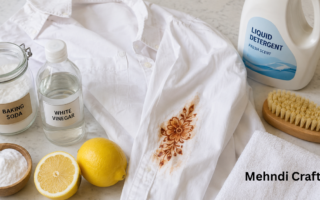
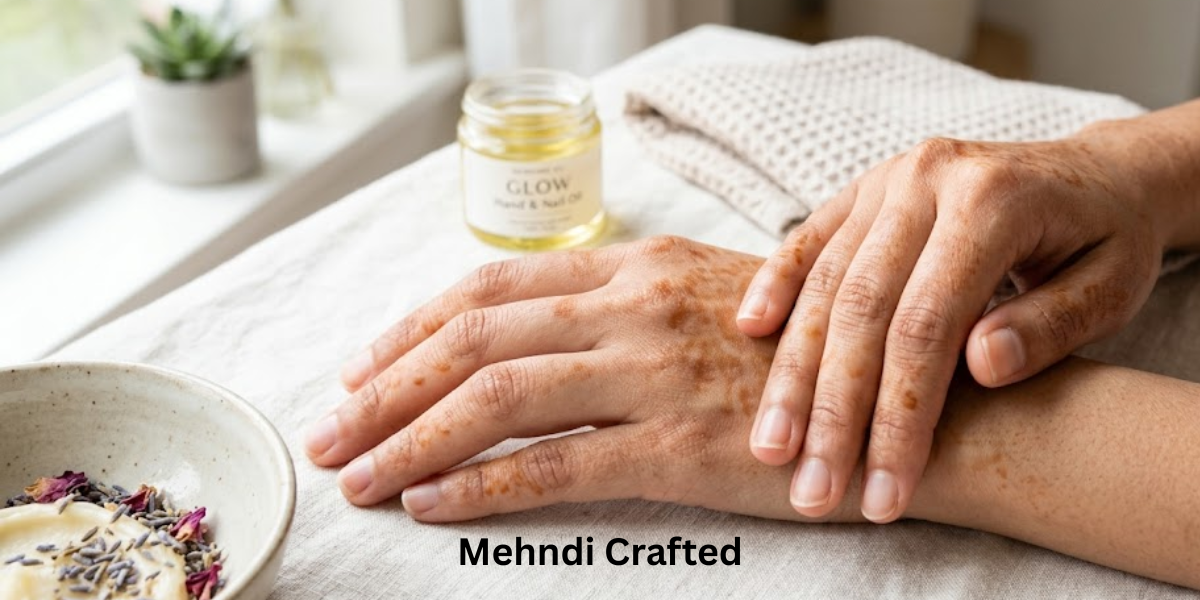
Remove Mehndi Stains from Hands. Mehndi (henna) is widely used for beauty, cultural celebrations, weddings, and festivals. It gives a beautiful natural stain on hands and feet, but sometimes people want to remove it quickly for personal or professional reasons.
If you are looking for fast and effective ways to remove mehndi stains from hands, this guide will help you step by step with safe and practical methods.
Remove Mehndi Stains from Hands. It is important to understand that mehndi is a natural dye that deeply stains the upper layer of skin. Because of this, it cannot be removed instantly like ink or dirt. However, with the right techniques, you can significantly speed up the fading process.
In this complete guide, we will explore proven home remedies and safe methods for removing henna stains without damaging your skin.
Why Mehndi Stains Stay on Skin for a Long Time
Before learning Remove Mehndi Stains from Hands, it is important to understand how mehndi works.
Henna contains a natural pigment called lawsone. When applied to skin, it binds with the keratin (protein) in your skin cells. This bonding process creates a long-lasting stain.
That is why mehndi:
- Starts darkening after a few hours
- Becomes darker in 24–48 hours
- Fades slowly over 7–14 days
So, when people search for Remove Mehndi Stains from Hands, they are actually trying to break or fade this natural pigment bond.
Important Note Before Starting Removal Methods
Before using any method, remember:
- Do not expect instant removal
- Avoid harsh chemicals on skin
- Do not scrub aggressively (it can damage skin)
- Always moisturize after removal methods
Gentle and repeated methods work best.
Method 1: Warm Water and Soap Soaking
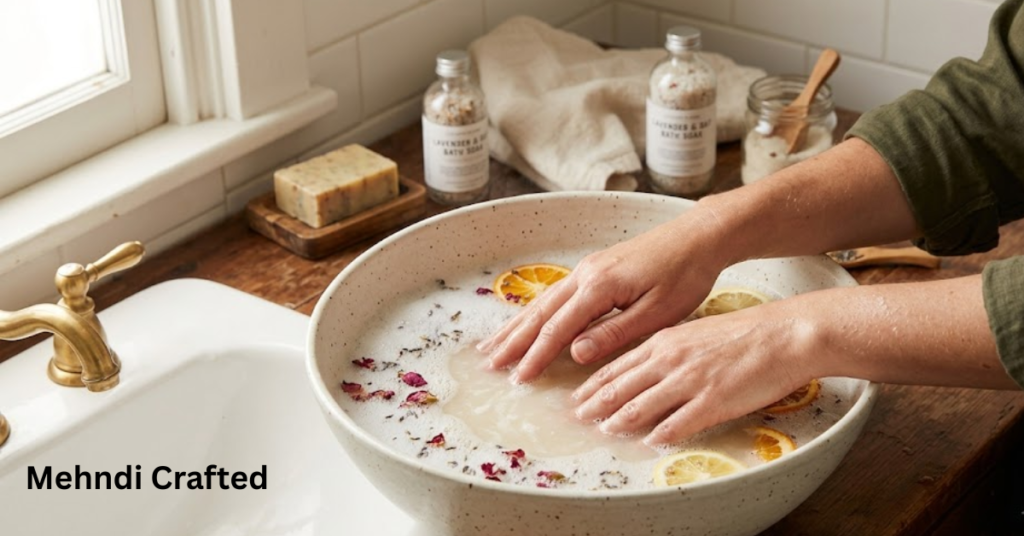
Remove Mehndi Stains from Hands. One of the simplest ways to start fading mehndi stains is warm water and soap.
How it works:
Warm water softens the skin and opens pores, while soap helps break down surface pigments.
Steps:
- Fill a bowl with warm water
- Add mild soap or hand wash
- Soak your hands for 10–15 minutes
- Gently rub hands together
- Rinse and repeat 2–3 times a day
Result:
This method slowly lightens the stain and prepares skin for deeper cleaning methods.
Method 2: Lemon Juice Treatment
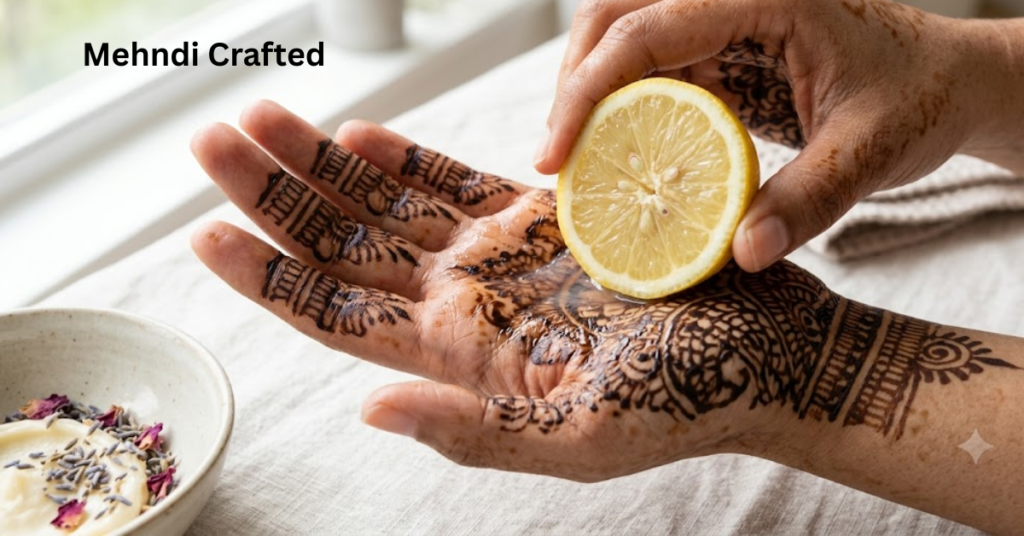
Remove Mehndi Stains from Hands: Lemon is a natural bleaching agent and is widely used in skin stain removal.
How it works:
Citric acid in lemon helps break down the henna pigment.
Steps:
- Cut a fresh lemon
- Rub it directly on stained areas
- Leave it for 5–10 minutes
- Wash with lukewarm water
Precautions:
- Avoid if you have sensitive skin
- Do not use on cuts or irritation
Result:
With repeated use, stains start fading faster.
Method 3: Baking Soda Paste
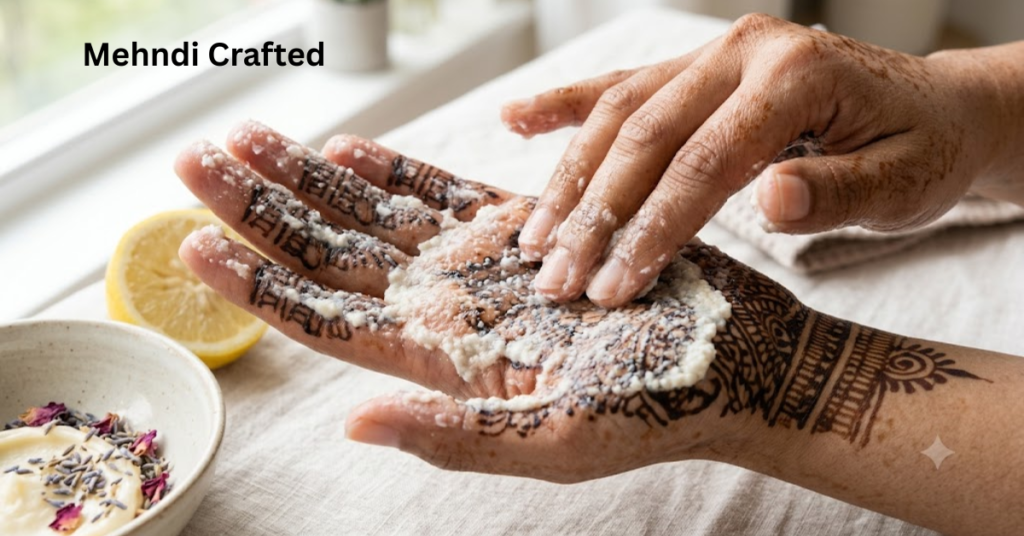
Remove Mehndi Stains from Hands: Baking soda is slightly abrasive and helps in exfoliation.
How it works:
It removes dead skin cells where mehndi pigment is stored.
Steps:
- Mix baking soda with water
- Make a thick paste
- Apply on stained areas
- Rub gently for 2–3 minutes
- Wash off with warm water
Result:
This method speeds up fading significantly when used once daily.
Method 4: Olive Oil or Coconut Oil Massage
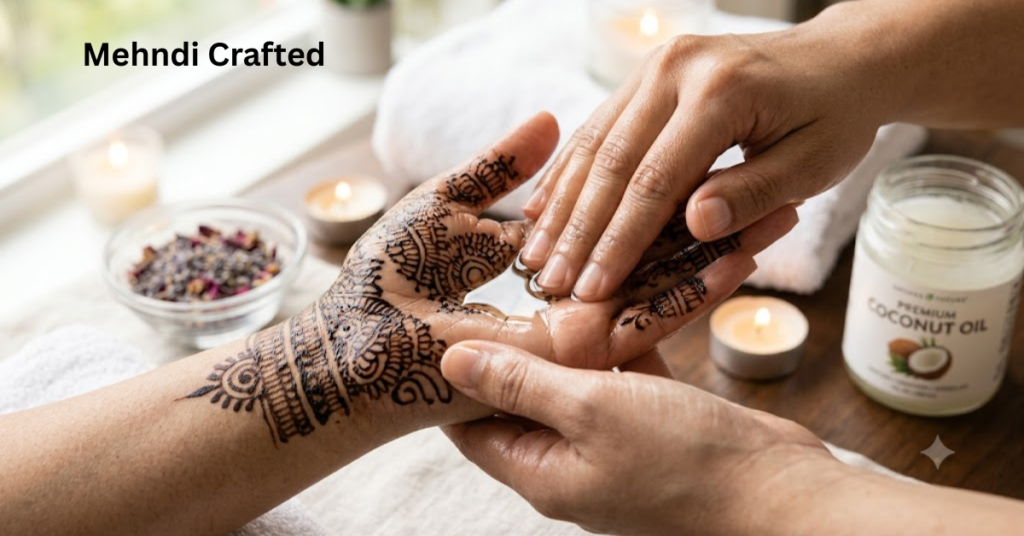
Remove Mehndi Stains from Hands: Oils help loosen henna pigments from skin.
How it works:
Oil breaks down dye particles and softens skin.
Steps:
- Take olive or coconut oil
- Massage gently on hands for 5–10 minutes
- Wipe with tissue
- Wash with mild soap
Result:
Gradual fading and improved skin softness.
Method 5: Toothpaste for Stain Removal
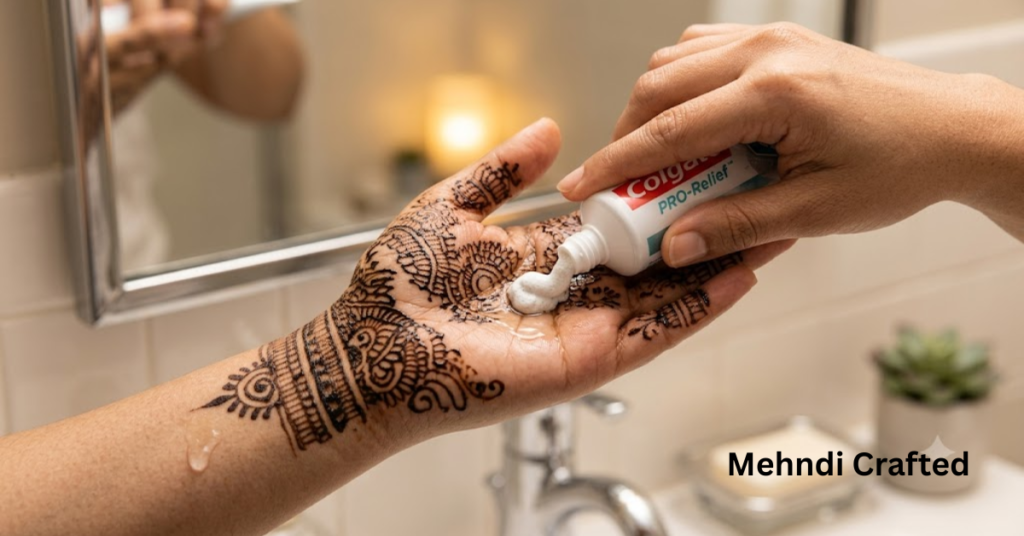
Remove Mehndi Stains from Hands. Toothpaste is a common household item that can help lighten mehndi stains due to its mild abrasive and bleaching properties.
How it works:
Toothpaste contains mild polishing agents that help remove surface pigment from the skin.
Steps:
- Take a small amount of white toothpaste
- Apply it directly on stained areas
- Let it sit for 5–10 minutes
- Rub gently using fingers or a soft cloth
- Wash with lukewarm water
Result:
Stains begin to fade gradually after a few applications.
Tip:
Use only white toothpaste (avoid gel types for better results).
Method 6: Salt and Warm Water Scrub
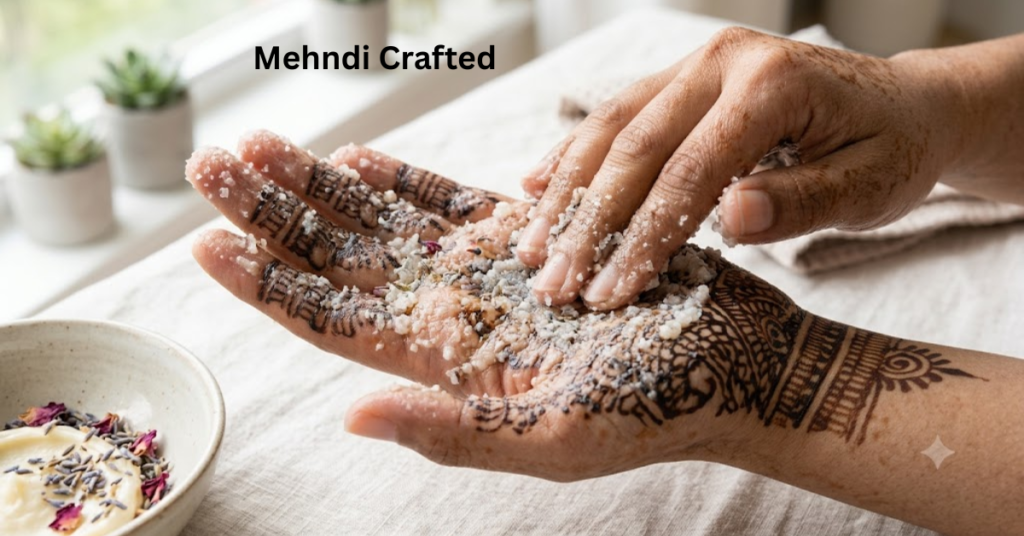
Remove Mehndi Stains from Hands: Salt acts as a natural exfoliator and helps in removing dead skin layers where mehndi is stored.
How it works:
Salt grains gently scrub the skin and help break down the upper stained layer.
Steps:
- Mix 1 tablespoon salt in warm water
- Soak your hands for 10 minutes
- Take a small amount of salt and gently rub it on stains
- Rinse thoroughly
- Apply moisturizer afterward
Result:
Helps speed up fading when done once daily.
Method 7: Alcohol-Based Cleansing (Use Carefully)
Alcohol can help break down pigments but must be used with caution.
How it works:
Remove Mehndi Stains from Hands: Alcohol dissolves some of the dye molecules and helps lighten the stain.
Steps:
- Take a cotton ball
- Apply a small amount of rubbing alcohol
- Gently rub stained areas
- Wash hands immediately after 1–2 minutes
- Apply moisturizer
Warning:
- May cause dryness
- Avoid frequent use
- Not suitable for sensitive skin
Method 8: Exfoliation with Sugar Scrub
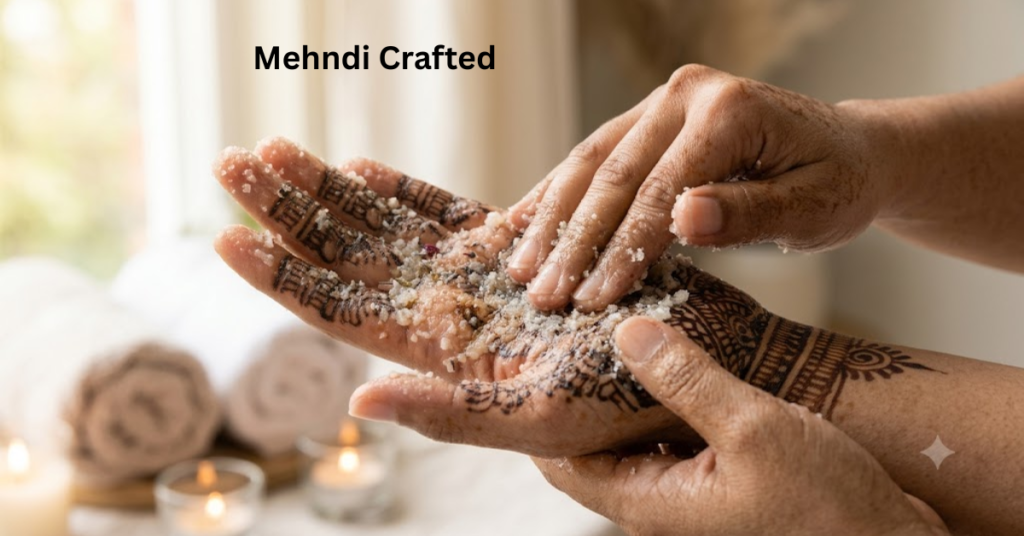
Sugar is a gentle natural scrub that removes dead skin cells.
How it works:
Sugar crystals help physically exfoliate the stained layer of skin.
Steps:
- Mix sugar with olive oil or lemon juice
- Apply on hands
- Massage gently for 3–5 minutes
- Wash with warm water
Result:
Gradual fading with smoother skin texture.
Method 9: Micellar Water or Makeup Remover
Micellar water is designed to remove pigments and makeup, and can also help with mehndi stains.
How it works:
It lifts pigment particles from the skin surface.
Steps:
- Apply micellar water on a cotton pad
- Rub on stained areas
- Repeat 2–3 times
- Wash hands after use
Result:
Mild fading, especially on fresh mehndi stains.
Common Mistakes to Avoid
Many people make mistakes that slow down fading or damage skin:
- Scrubbing too hard
- Using too many methods at once
- Not moisturizing after treatments
- Using harsh chemicals repeatedly
- Expecting instant results
Remember: mehndi fades gradually, not instantly.
How Long Does Mehndi Take to Fade?
Even with these methods, timing depends on skin type and stain darkness:
- Light mehndi: 3–5 days
- Medium stain: 5–10 days
- Dark bridal mehndi: 10–15 days
Using these methods can speed up fading by 30–50%, but complete removal still takes time.
Natural Remedies to Fade Mehndi Stains
Along with scrubbing and cleansing methods, some natural remedies also help speed up fading gently.
1. Lemon and Honey Mix
Lemon helps lighten pigment while honey protects the skin from dryness.
How to use:
- Mix 1 teaspoon lemon juice with 1 teaspoon honey
- Apply on the stained area
- Leave for 10 minutes
- Wash with warm water
Result:
Gentle fading without harsh skin damage.
2. Aloe Vera Gel
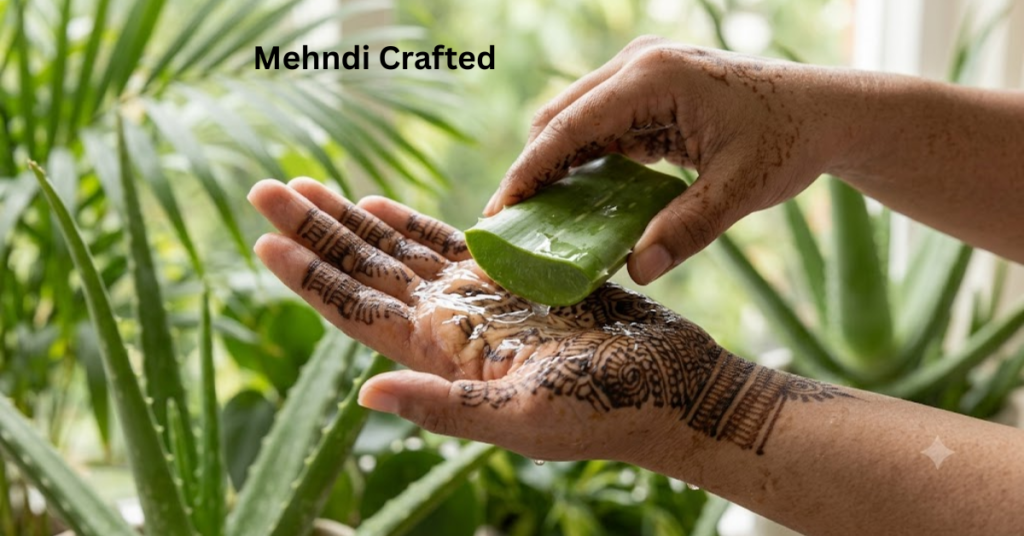
Remove Mehndi Stains from Hands: Aloe vera soothes the skin and gradually reduces stain intensity.
How to use:
- Apply fresh aloe vera gel
- Massage gently for 5–10 minutes
- Leave it overnight if possible
Result:
Slow but safe fading + skin healing.
3. Milk Soak Method
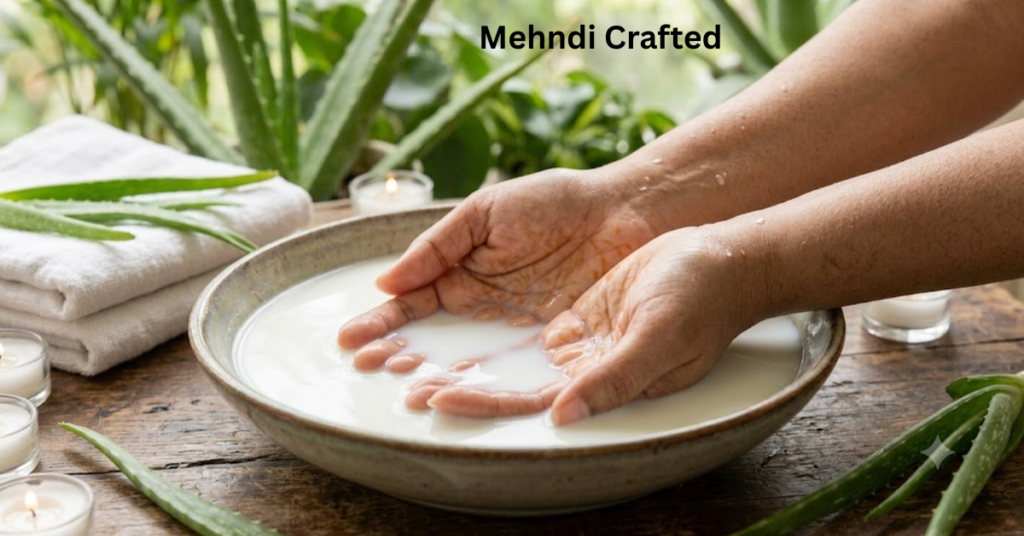
Remove Mehndi Stains from Hands: Milk contains lactic acid, which helps in mild exfoliation.
How to use:
- Soak cotton in milk
- Apply on hands for 10–15 minutes
- Rinse with water
Result:
Helps lighten fresh mehndi stains.
Skin Care After Mehndi Removal Methods
After using removal techniques, skin care is very important.
Why aftercare matters:
Most removal methods can dry out the skin, so moisturizing is necessary.
Best aftercare steps:
- Apply coconut oil or olive oil
- Use a gentle hand cream
- Avoid soap for a few hours after scrubbing
- Drink plenty of water to hydrate skin
Healthy skin helps mehndi fade evenly without irritation.
Do’s and Don’ts
Do’s:
- Use gentle methods first
- Repeat methods 1–2 times daily
- Moisturize after every treatment
- Use natural ingredients whenever possible
- Be patient with the process
Don’ts:
- Don’t scrub too aggressively
- Don’t use harsh chemicals repeatedly
- Don’t mix too many methods at once
- Don’t expect instant removal
- Don’t ignore skin irritation
FAQs
Q1: Can mehndi be removed instantly from hands?
No, mehndi cannot be removed instantly because it stains the top layer of skin. However, it can be faded faster using proper methods.
Q2: What is the fastest way to remove mehndi stains?
Lemon juice combined with a baking soda scrub is one of the fastest methods to lighten stains.
Q3: Is it safe to use bleach on mehndi stains?
No, bleach is not recommended as it can damage skin and cause irritation.
Q4: How many days does mehndi usually stay on hands?
It usually lasts 7–14 days depending on skin type and aftercare.
Q5: Do these methods remove mehndi completely?
They do not remove instantly, but they significantly speed up fading.
Conclusion
Removing mehndi stains from hands is possible, but it requires patience and consistent care. Since mehndi is a natural dye that binds with skin cells, it cannot be removed instantly.
By using a combination of natural remedies, exfoliation techniques, and proper aftercare, you can safely speed up the fading process without harming your skin.
If you follow the methods explained in this guide, you will notice a clear improvement in stain reduction within a few days.
- Net Mehndi Designs 2026: 10+Beautiful Net Pattern Ideas for Every OccasionMehndi has always been a beautiful way to decorate the hands and feet, but modern henna lovers are looking for patterns that feel lighter, cleaner, and more artistic. One style that fits this trend beautifully is the net pattern. Inspired by delicate grids, crossed lines, tiny flowers, dots, and open spaces, net-style mehndi can create …
- Grid Mehndi Designs 2026: 15 Stylish and Simple Ideas for Every Occasion
 Grid-inspired mehndi is becoming an interesting choice for women who want something different from traditional floral, leafy, and Arabic patterns. Instead of covering the hand with dense details, this style uses carefully arranged lines, squares, diamonds, dots, and geometric spaces to create a balanced appearance. Grid Mehndi Designs 2026 are especially suitable for anyone who …
 - Minimal Foot Mehndi Designs 2026: Elegant and Easy Ideas for Every Occasion
 Beautiful mehndi does not always need to cover every inch of the skin. In 2026, many women are choosing clean lines, tiny florals, delicate vines, and simple patterns that look elegant without feeling too heavy. This is especially true for foot mehndi, where a small and thoughtfully placed design can create a graceful finishing touch. …
 - Indian Floral Mehndi Designs 2026: 25 Beautiful Ideas for Every Occasion
 Indian Floral Mehndi Designs 2026 are becoming a beautiful choice for women who love the charm of flowers, delicate leaves, and traditional henna artistry. Floral patterns can look soft and minimal on one hand, or detailed and festive when combined with paisleys, vines, mandalas, and fine finger work. Their versatility makes them suitable for weddings, …
 - Simple Bengali Mehndi Designs 2026: Beautiful and Easy Ideas for Every Occasion
 Mehndi is more than a temporary form of body art. It is a beautiful way to celebrate culture, express creativity, and add a personal touch to special occasions. Bengali mehndi designs are especially loved for their delicate patterns, graceful lines, floral details, and traditional charm. Whether you are preparing for a wedding, Eid, a family …
 - Stunning Floral Bracelet Mehndi Designs 2026: Elegant Ideas for Every Occasion
 Floral Bracelet Mehndi Designs 2026 are becoming a beautiful choice for women who want something elegant, feminine, and easy to wear. A bracelet-style mehndi design sits gracefully around the wrist and can be decorated with flowers, leaves, vines, dots, fine lines, and delicate patterns. Unlike very heavy full-hand mehndi, a floral bracelet design can give …